Article: History of the U.S. Penny: Complete Guide to the American One-Cent Coin
History of the U.S. Penny: Complete Guide to the American One-Cent Coin
The United States penny, also known as the one-cent coin, is one of the most recognizable pieces of American currency. While its purchasing power has declined over time, the penny remains rich in history, symbolism, and collectible value. From its early copper origins to modern debates about its future, the U.S. penny tells a powerful story about America's economic and cultural evolution.
The First U.S. Penny (1793)
The first official U.S. penny was minted in 1793, shortly after the founding of the United States Mint. These early coins, known as Large Cents, were made of pure copper and were much larger than modern pennies—nearly the size of today's half dollar.
The front of the coin featured Lady Liberty, representing freedom and independence, while the back showed simple designs such as chains or wreaths symbolizing unity among the states. Because they were hand-struck, many early pennies show unique variations that make them highly valuable to collectors today.
From Large Cent to Small Cent
By the mid-1800s, rising copper costs made Large Cents expensive to produce. In 1857, the U.S. Mint introduced the Small Cent, reducing the coin's size and material usage.
The first Small Cent design was the Flying Eagle cent (1856–1858). Although admired for its design, it proved difficult to strike properly and was soon replaced by a new design.
The Indian Head Penny Era (1859–1909)
The Indian Head penny entered circulation in 1859 and remained in use for 50 years. Despite its name, the coin actually depicts Lady Liberty wearing a Native American headdress, not a Native American chief.
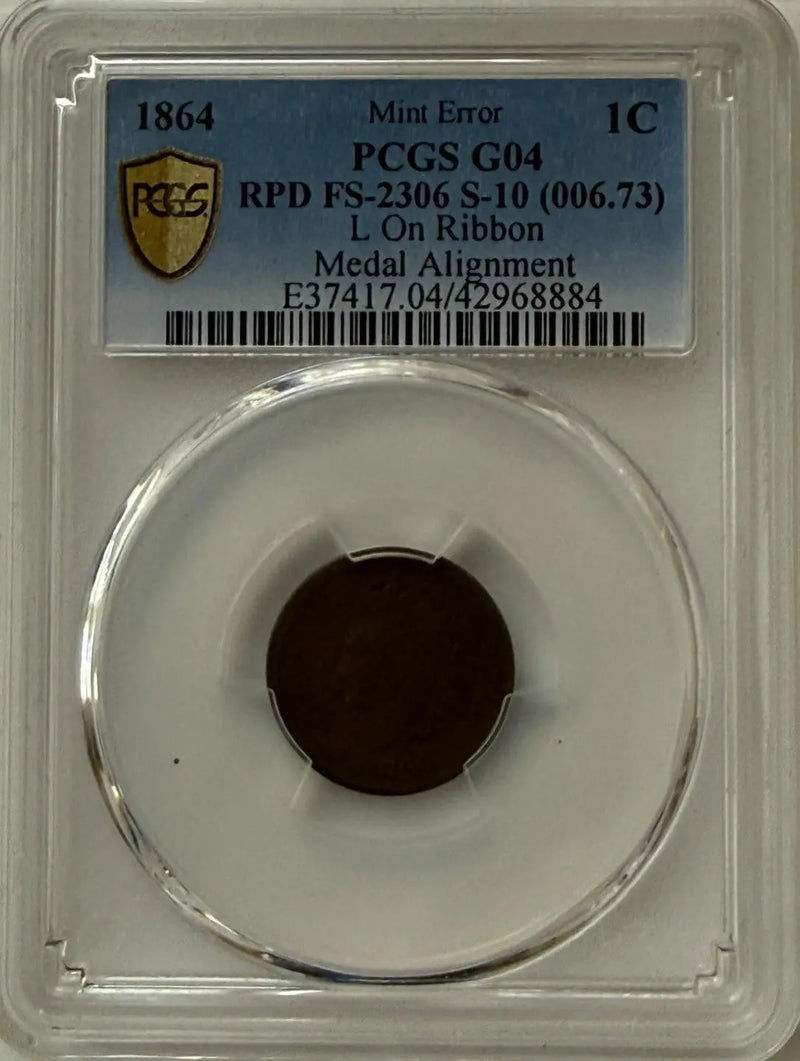
This penny circulated during major events in U.S. history, including the Civil War and westward expansion. Indian Head pennies are especially popular among collectors due to their age, design, and historical significance.
The Lincoln Penny Is Introduced (1909)
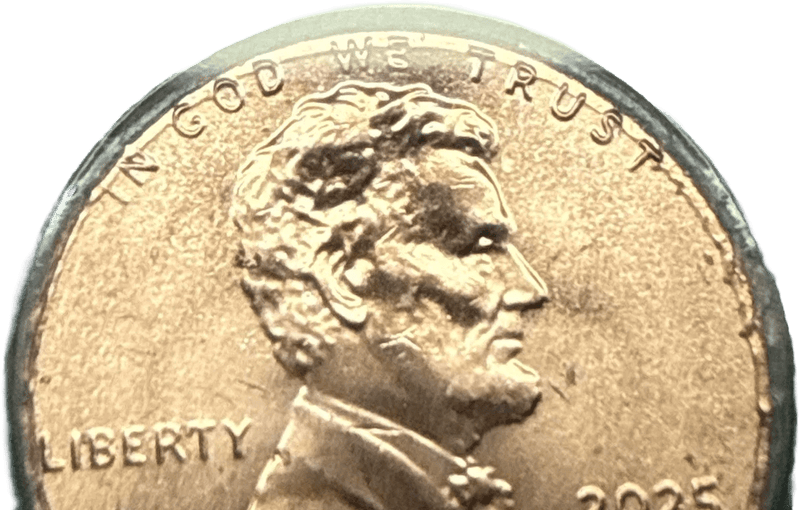
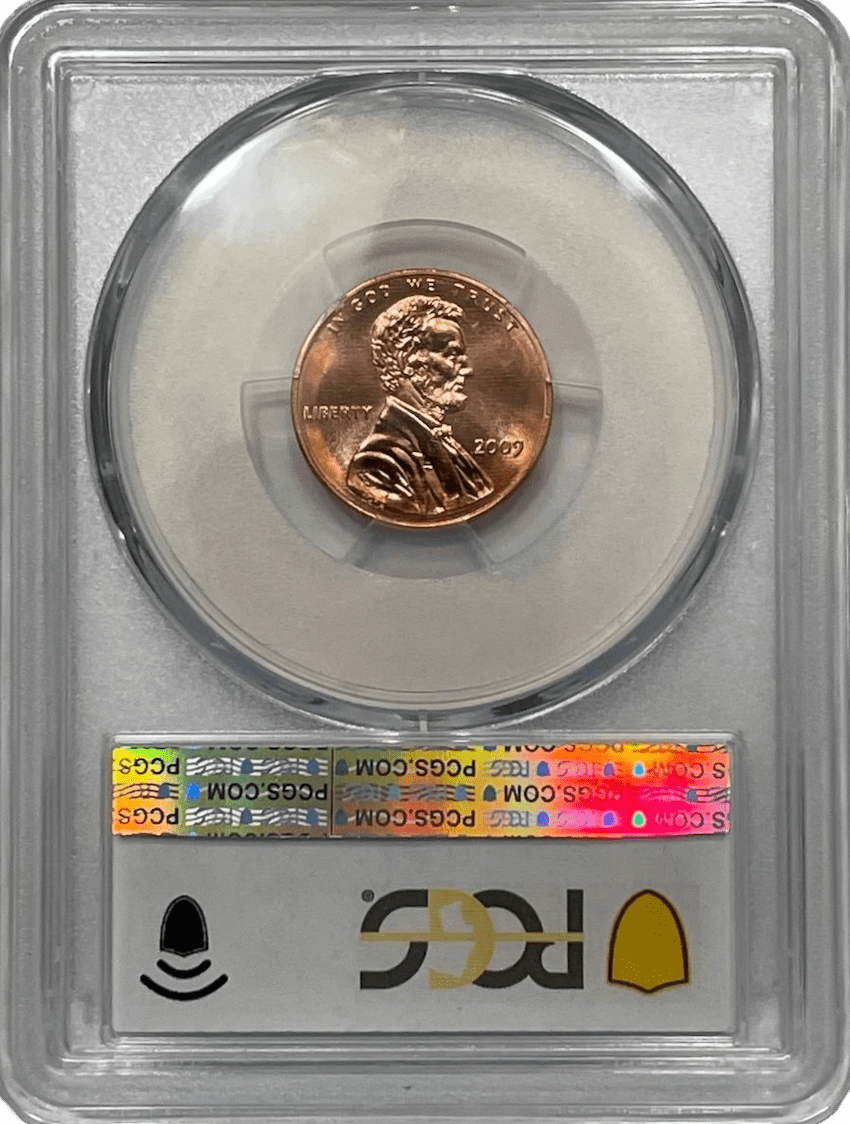
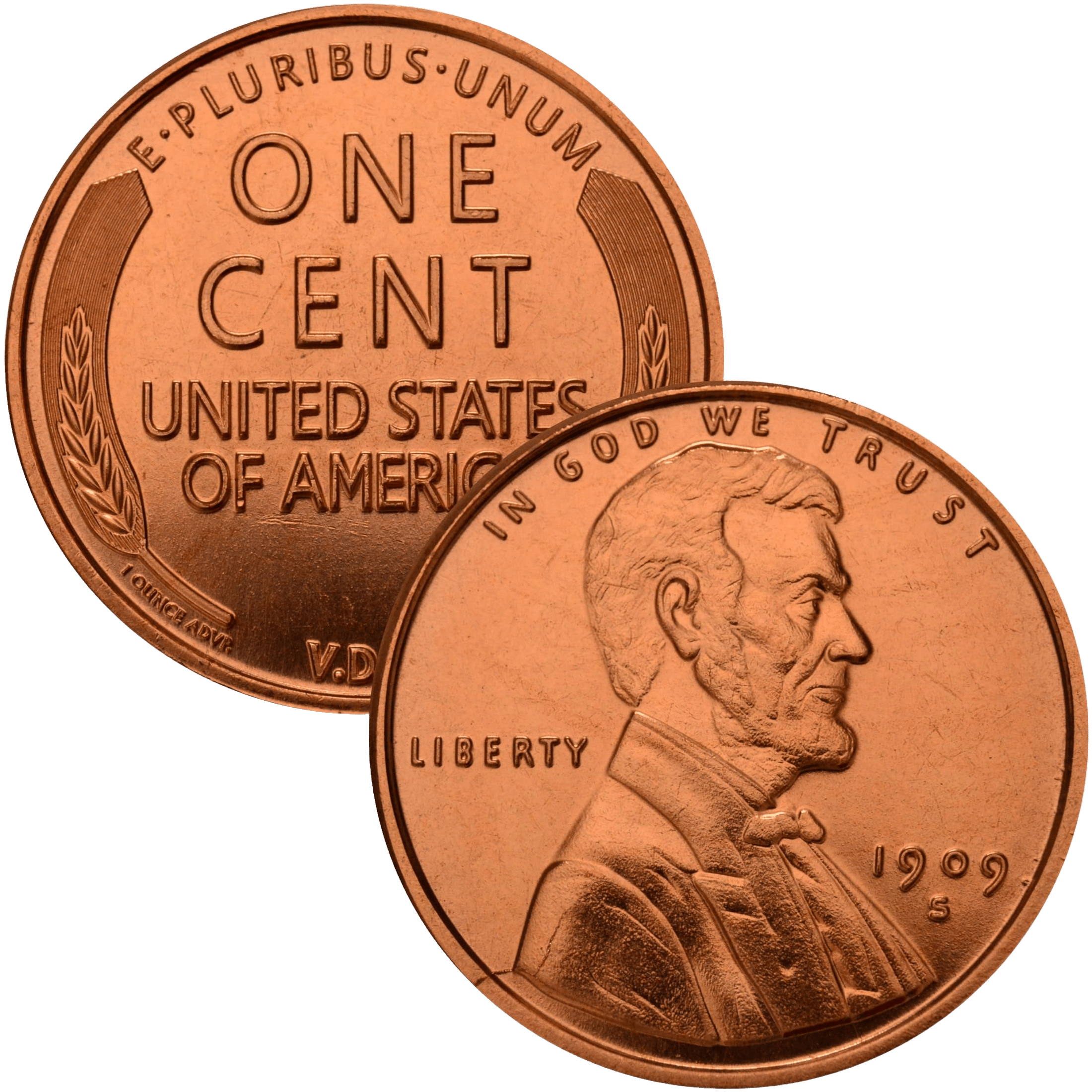
In 1909, the U.S. penny underwent a historic redesign to commemorate the 100th anniversary of Abraham Lincoln's birth. The Lincoln cent became the first circulating U.S. coin to feature a real historical figure.
Designed by Victor David Brenner, the original Lincoln penny featured two wheat stalks on the reverse, earning it the nickname Wheat Penny. These coins were minted from 1909 to 1958 and remain highly collectible.
One of the most famous and valuable pennies ever produced is the 1909-S VDB penny, which can be worth thousands of dollars depending on condition.
Lincoln Memorial Pennies (1959–2008)
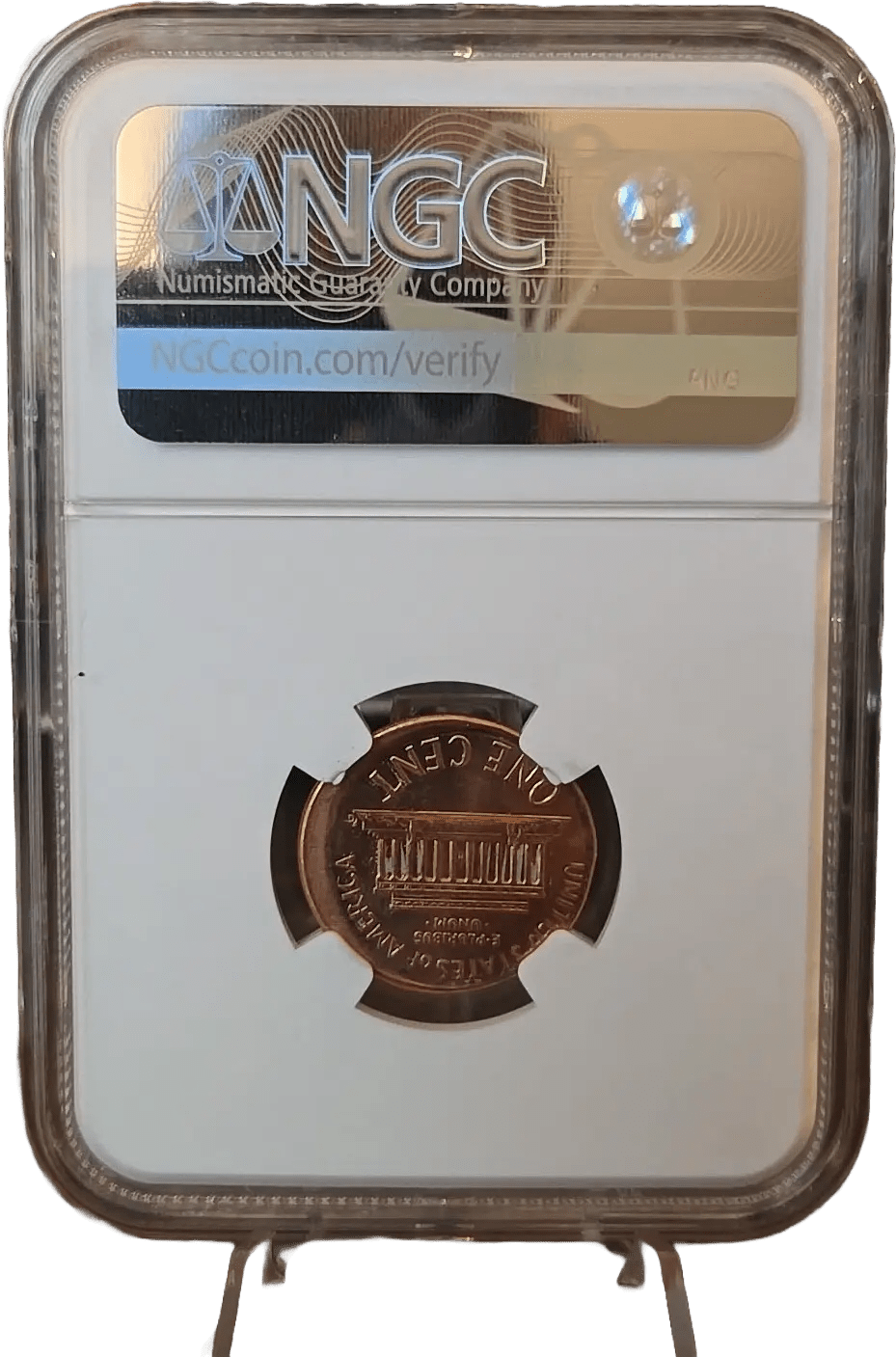
In 1959, the reverse design changed to the Lincoln Memorial to honor Lincoln's 150th birthday. This design remained in circulation for nearly 50 years, making it one of the longest-running designs in U.S. coinage history.
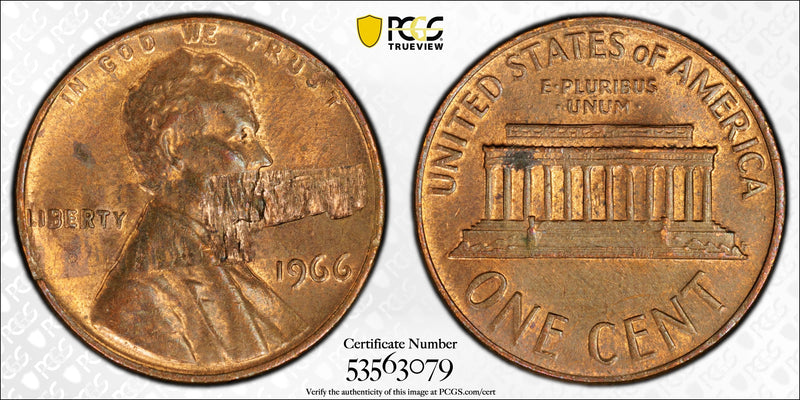
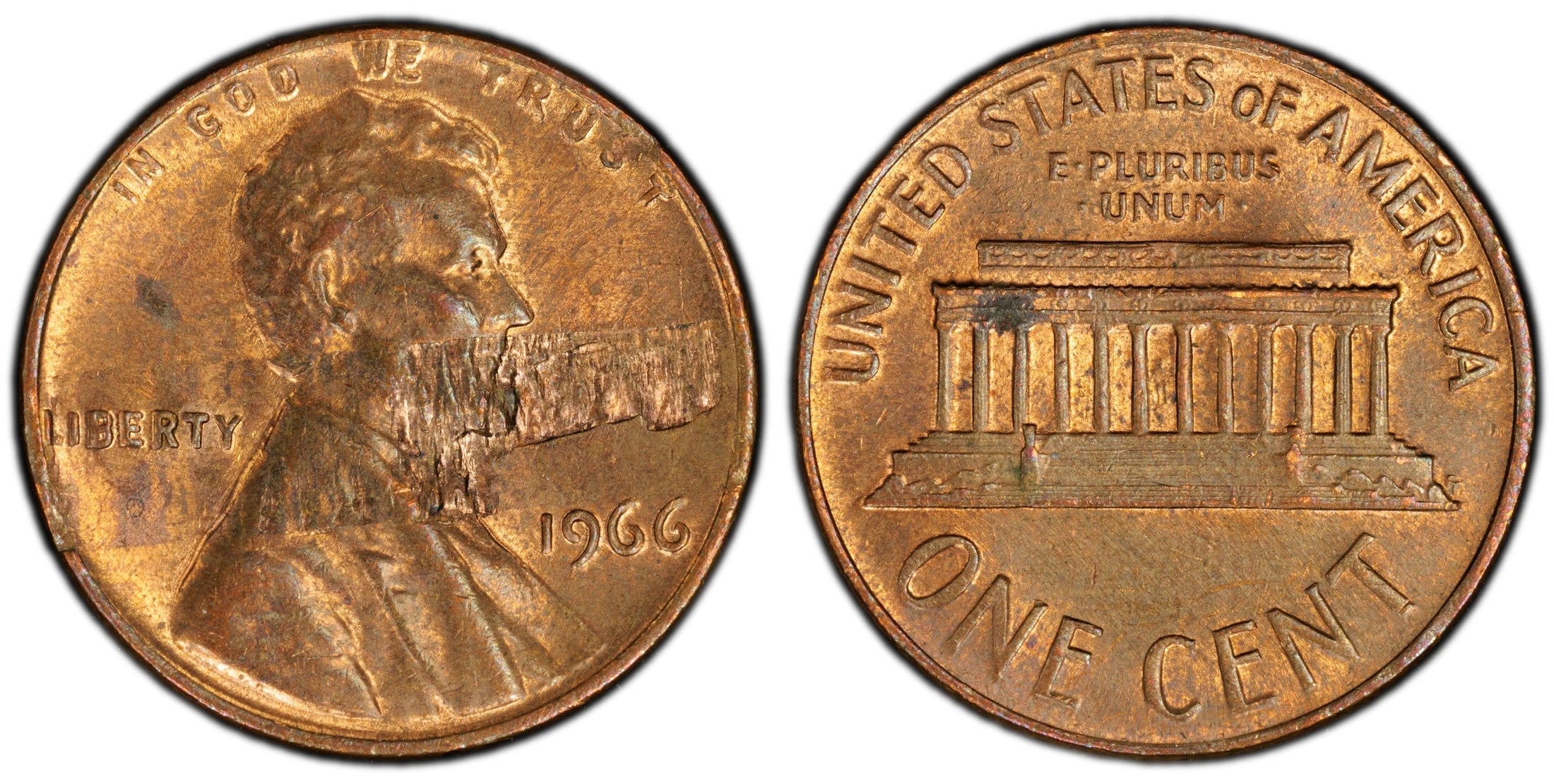
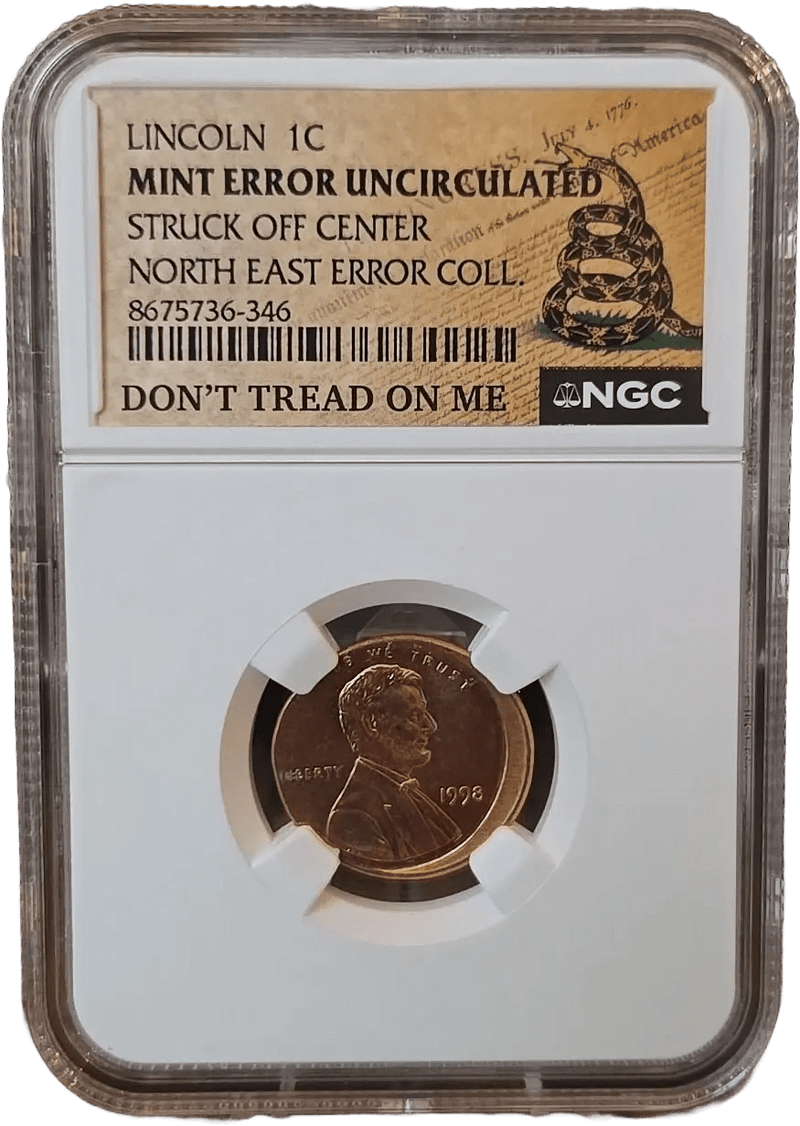
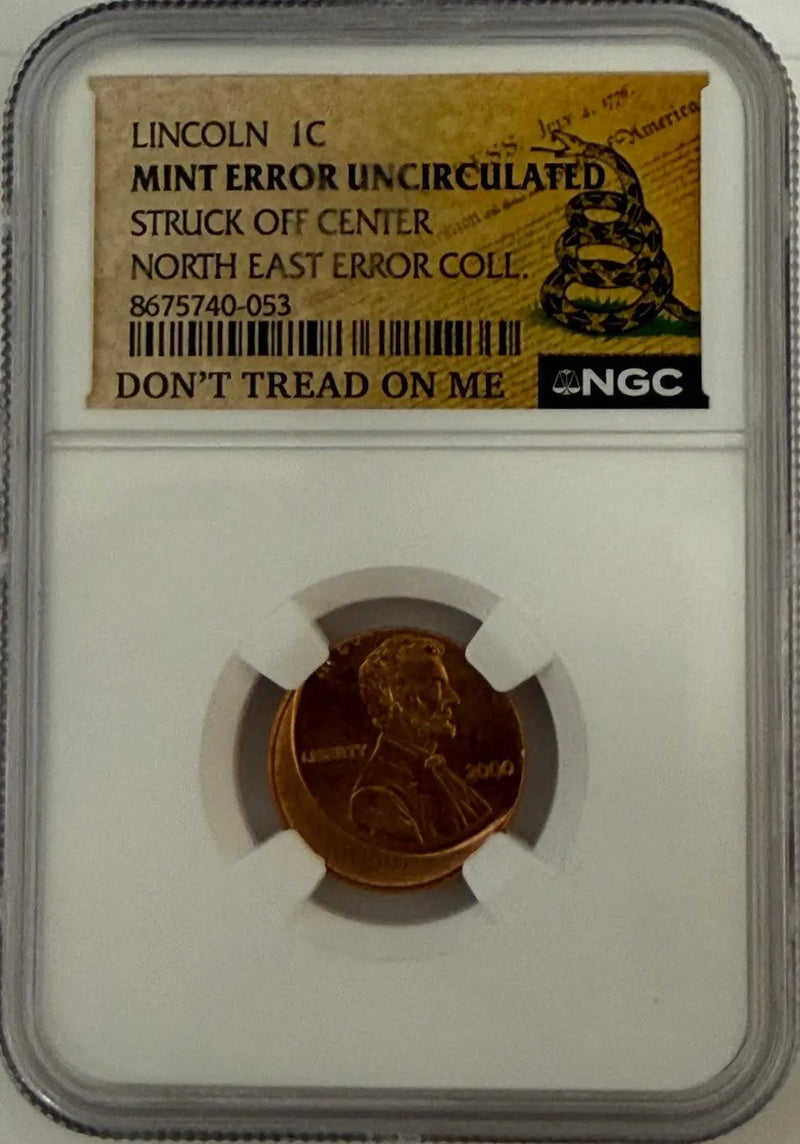
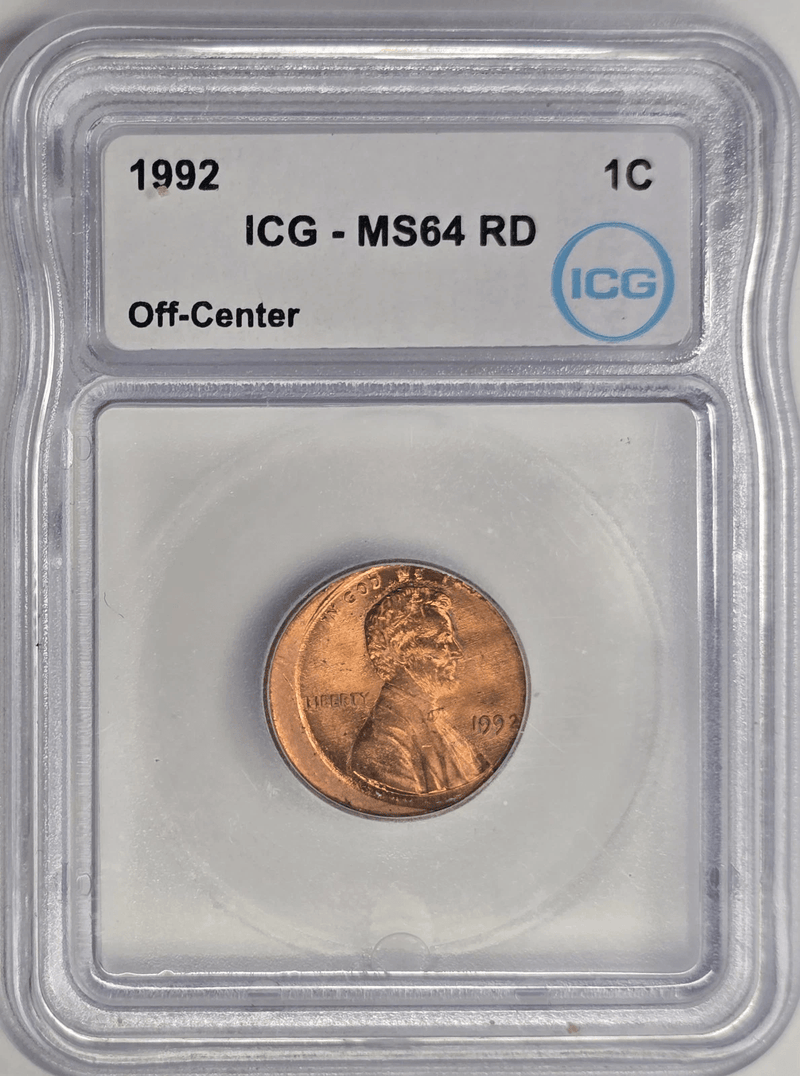
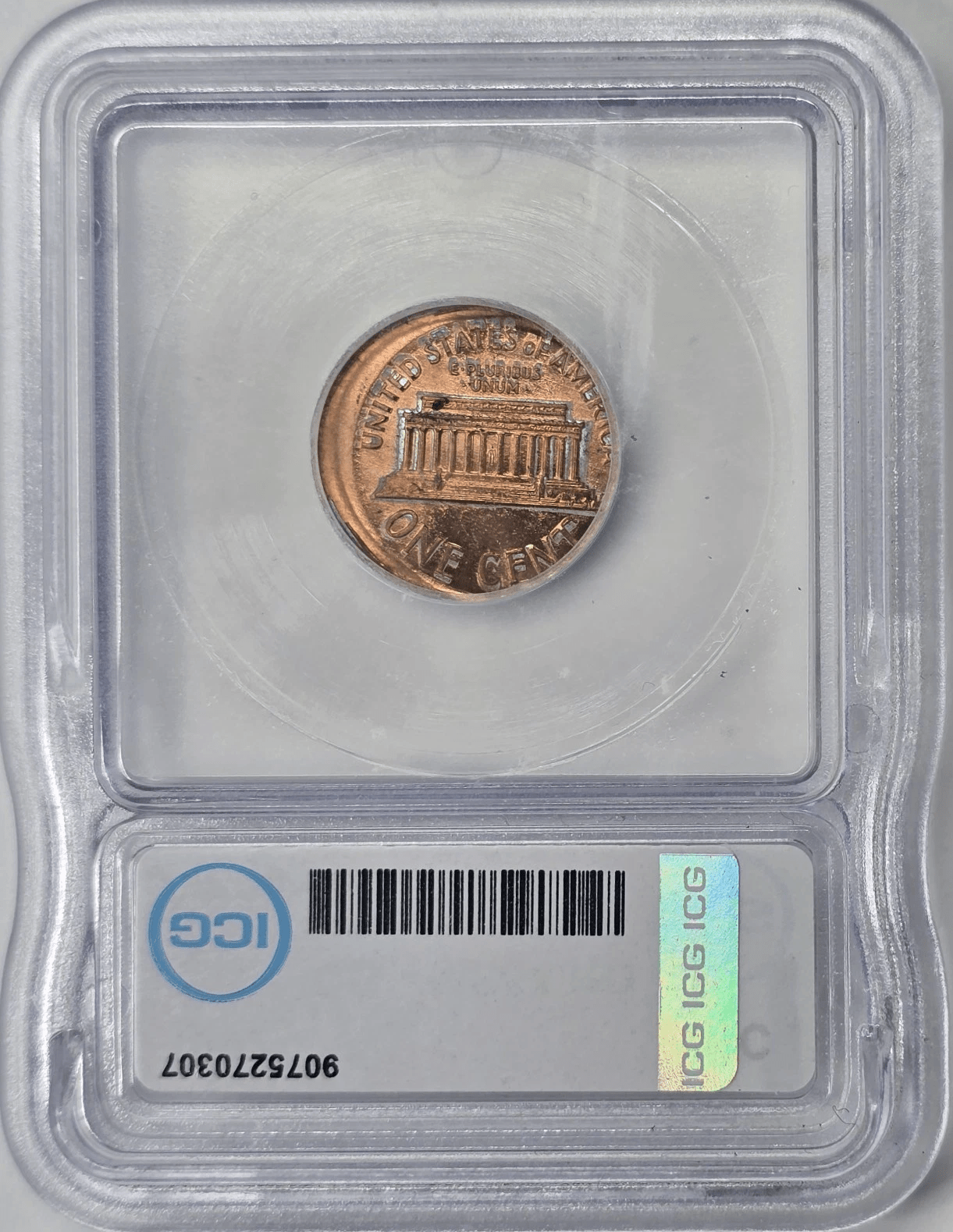
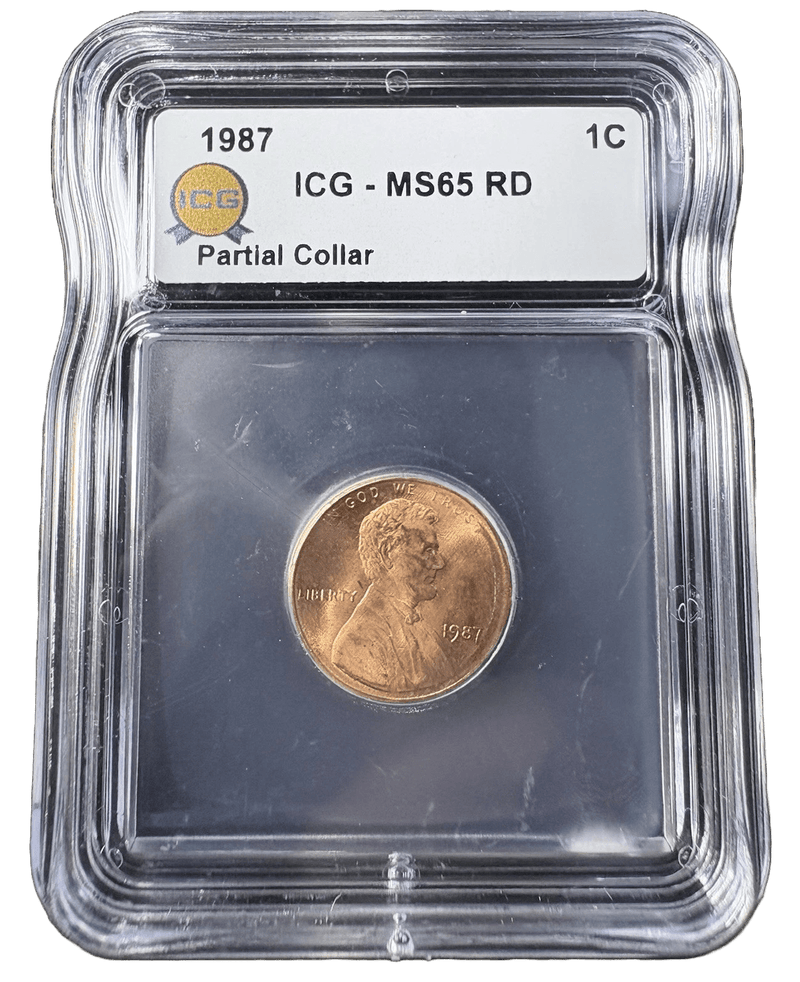
While most Lincoln Memorial pennies are common, certain mint errors and high-grade examples can be valuable.
Bicentennial Lincoln Pennies (2009)
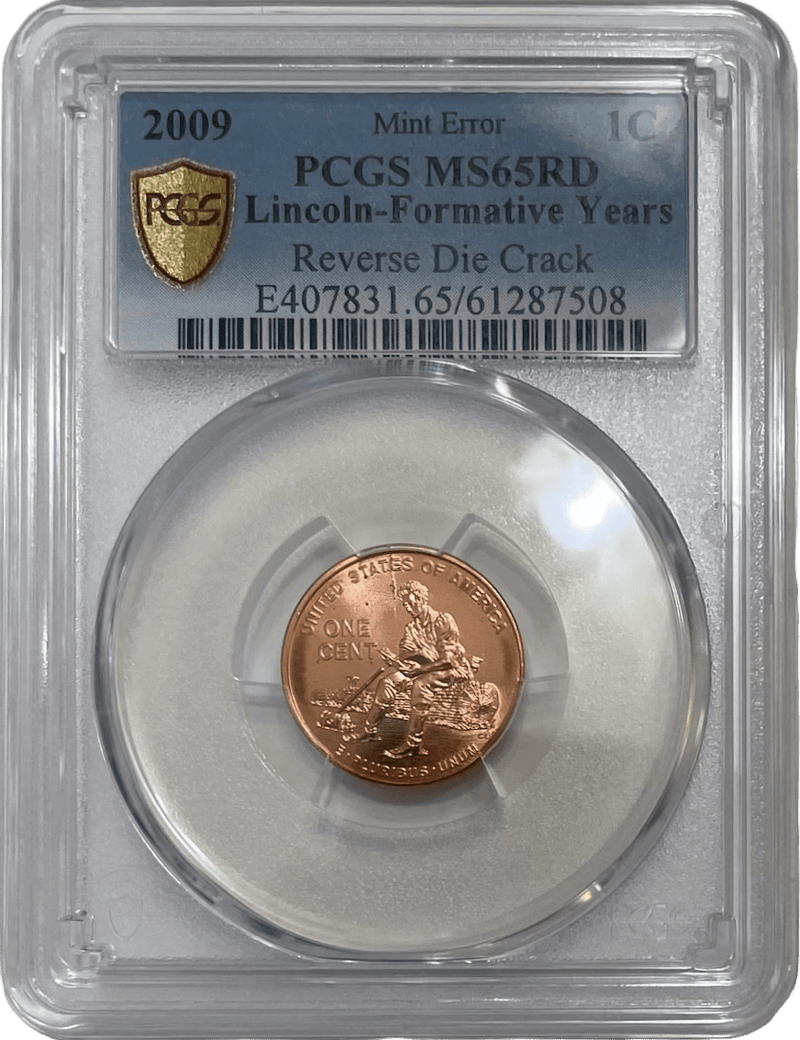
To celebrate Abraham Lincoln's 200th birthday, the U.S. Mint released four special penny designs in 2009. Each design represents a different stage of Lincoln's life, from his childhood to his presidency.
These coins are popular among collectors and history enthusiasts alike.
The Union Shield Penny (2010–Present)
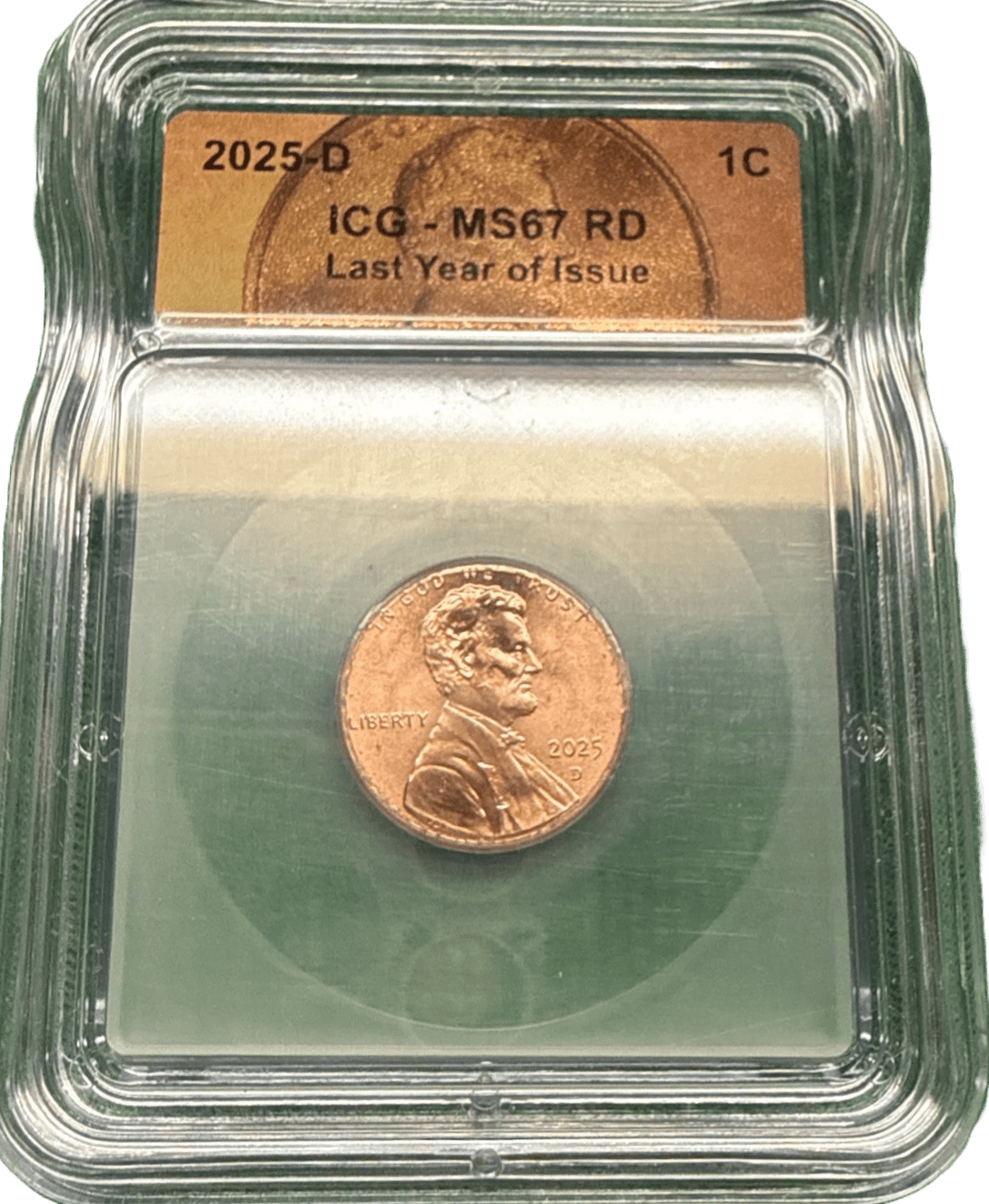
In 2010, the penny received its current reverse design: the Union Shield, symbolizing Lincoln's role in preserving the United States. This design remains in circulation today.
What Is the U.S. Penny Made Of?
The composition of the U.S. penny has changed several times:
- 1793–1857: Pure copper
- 1857–1942: Bronze alloy
- 1943: Steel (due to World War II copper shortages)
- 1982–Present: Zinc core with copper plating
Modern pennies contain only about 2.5% copper, making older copper pennies more appealing to collectors.
Rare and Valuable U.S. Pennies
Some of the most valuable pennies include:
- 1909-S VDB Lincoln penny
- 1914-D Lincoln cent
- 1943 copper penny
- 1955 doubled die penny
A penny's value depends on its date, mint mark, condition, and errors.
The Penny Debate: Does It Still Belong?
Today, the penny is at the center of ongoing debate. Critics argue it costs more to produce than it is worth, while supporters believe it still plays an important role in pricing and charitable donations.
Despite the debate, the penny continues to be minted and circulated throughout the United States.
Why the U.S. Penny Still Matters
The penny is often the first coin people collect and a gateway into numismatics. More than just spare change, it represents over 230 years of American history.
From the Large Cent to the modern Lincoln penny, the U.S. penny remains a small coin with a big legacy.
Explore our blog for more articles on U.S. coins, currency history, and collectible guides.