How to Tell If a Coin Is Rare (Beginner’s Guide)
Are you a coin collector or just curious about the value of your coin collection? Knowing whether a coin is rare can significantly increase its worth and add excitement to your collecting journey. But how do you tell if a coin is rare? Don’t worry — this beginner’s guide will walk you through the essential steps to identify rare coins with confidence.
1. Understand What Makes a Coin Rare
A coin is considered rare if it was produced in limited quantities, has unique features, or is in exceptional condition. Rarity can be influenced by factors such as:
- Limited mintage or production errors
- Historical significance
- Age
- Low survival rate
2. Check the Coin’s Year and Mint Mark
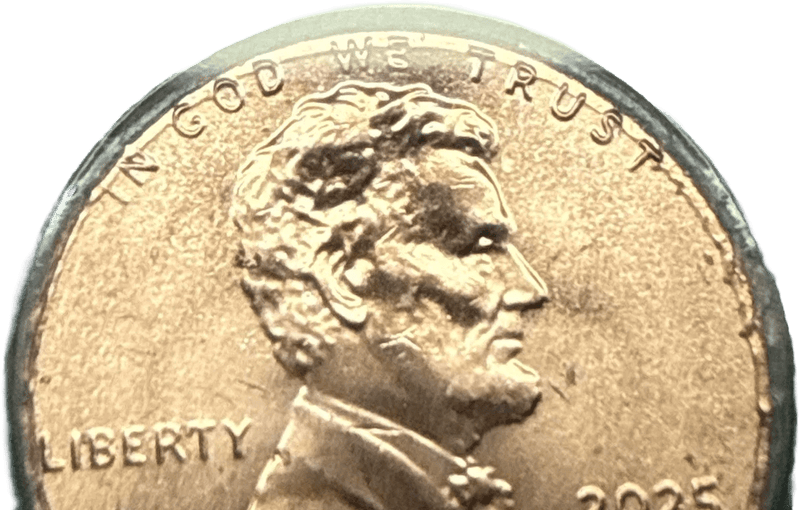
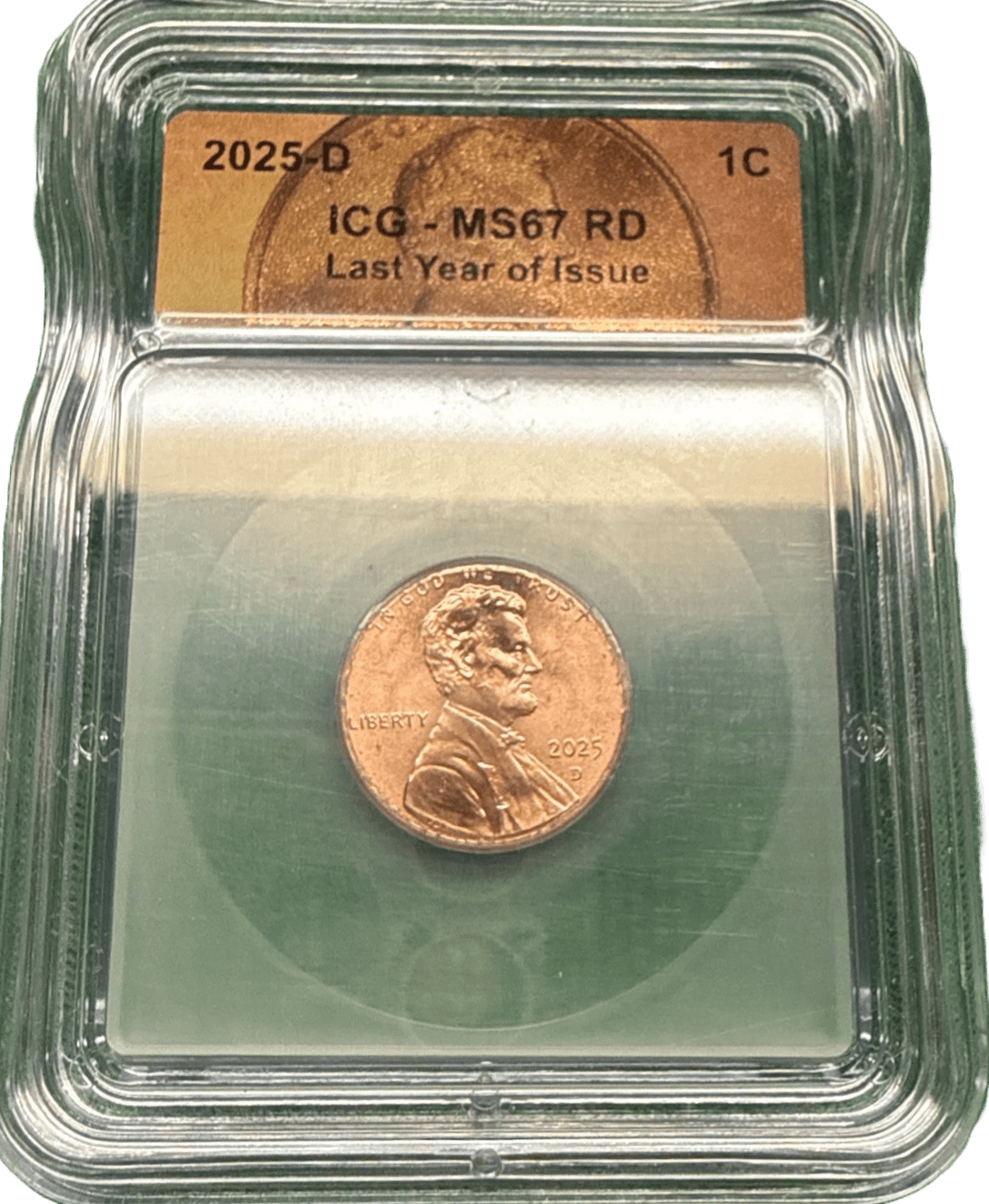
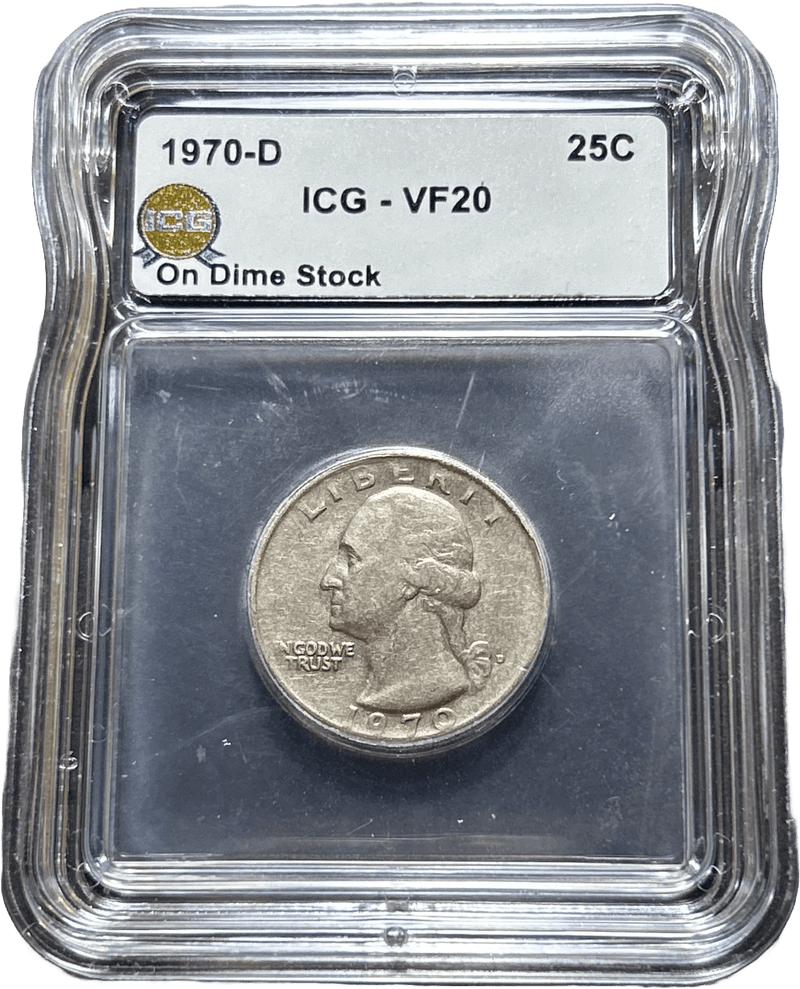
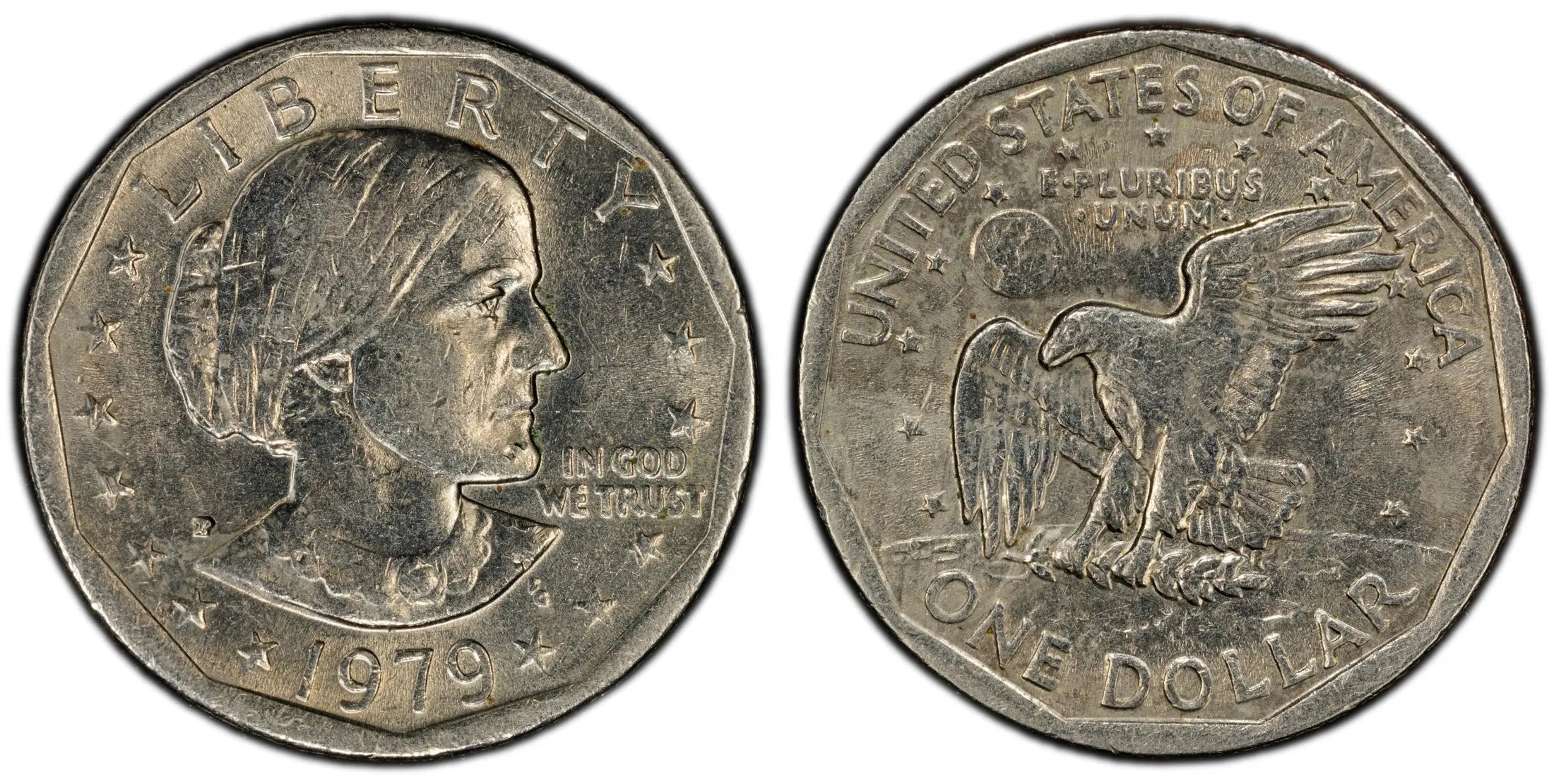
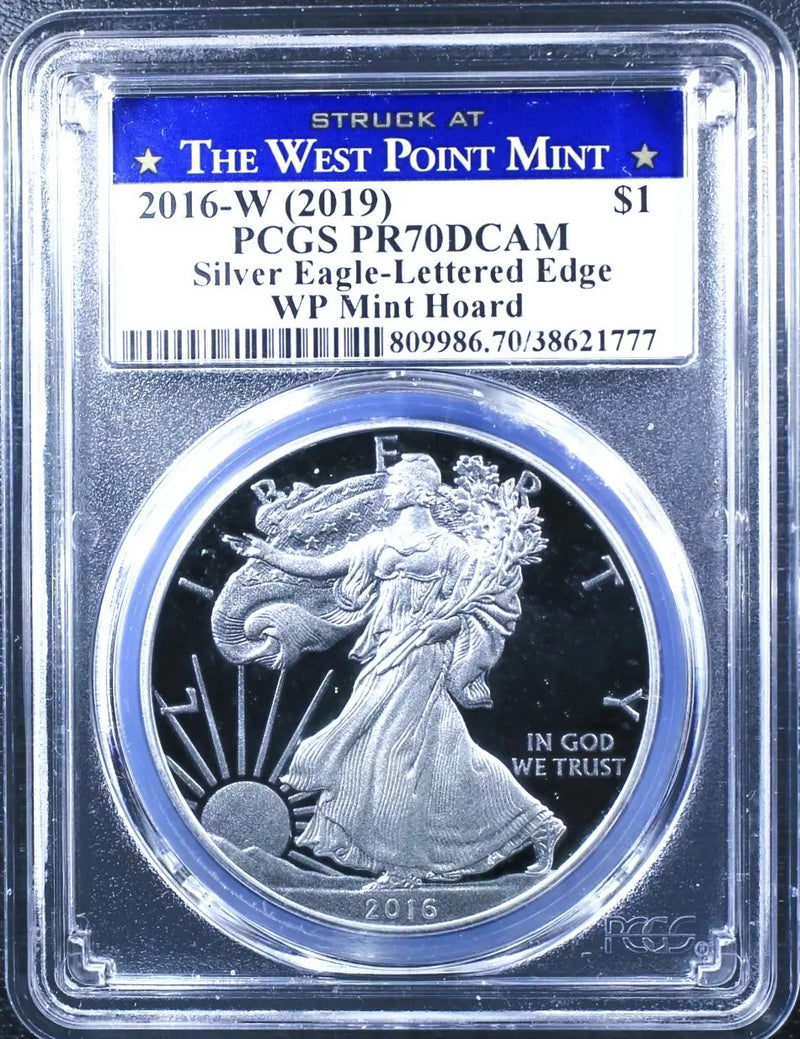
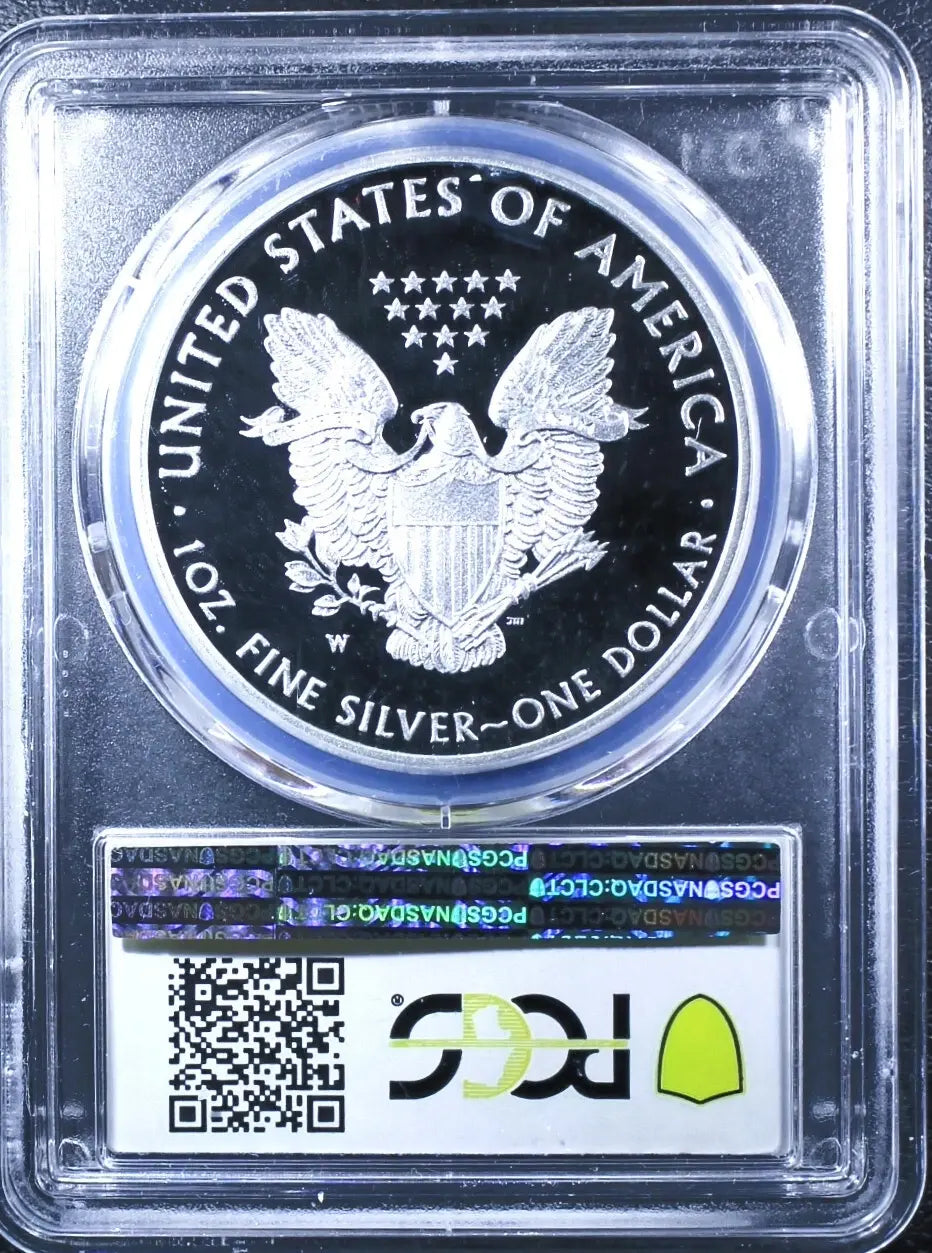
Start by examining the date on your coin. Some years had lower production numbers, making coins from those years more valuable. Additionally, look for the mint mark, which indicates where the coin was produced. Coins from certain mints or with specific mint marks can be rarer.
3. Research the Coin’s Mintage Figures
Mintage figures tell you how many coins of that type were produced. Coins with low mintage numbers are often more collectible. You can find this information in coin guides, official mint websites, or numismatic catalogs.
4. Examine the Coin’s Condition
The condition, or grade, of a coin greatly affects its rarity and value. Coins in pristine, uncirculated condition are much rarer than worn or heavily circulated ones. Look for:
- Sharp details
- Minimal scratches or wear
- Bright luster
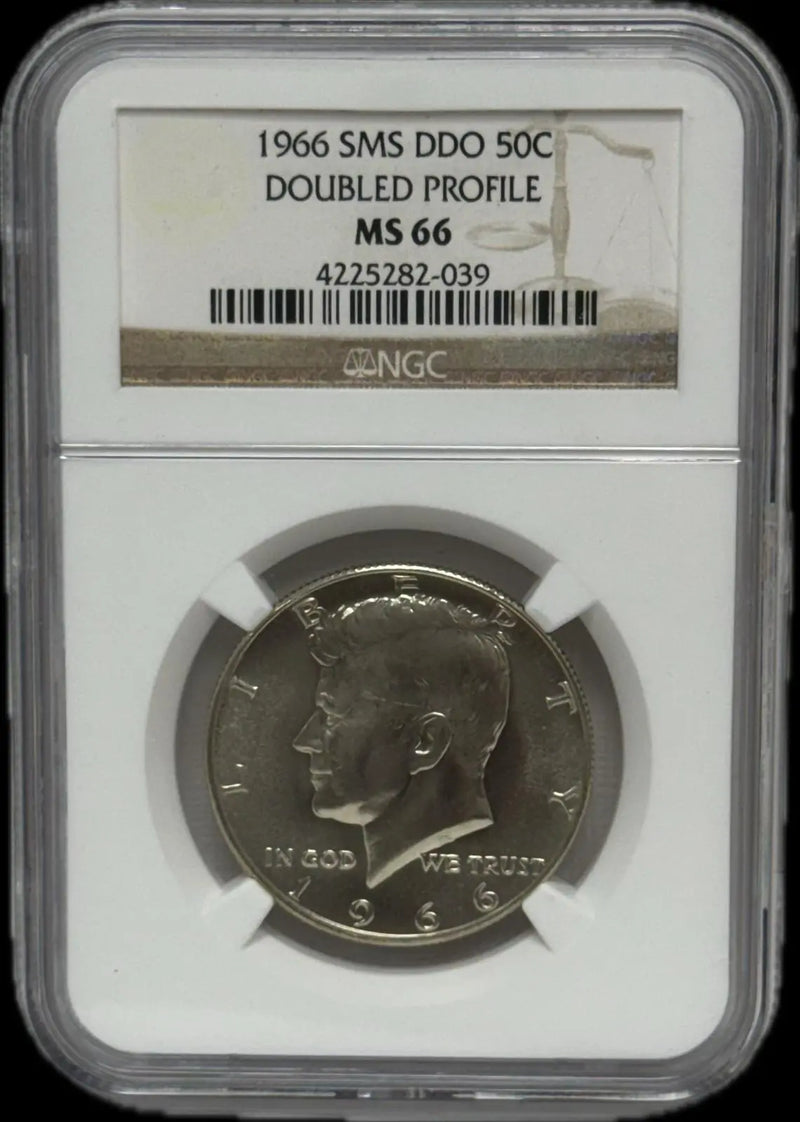
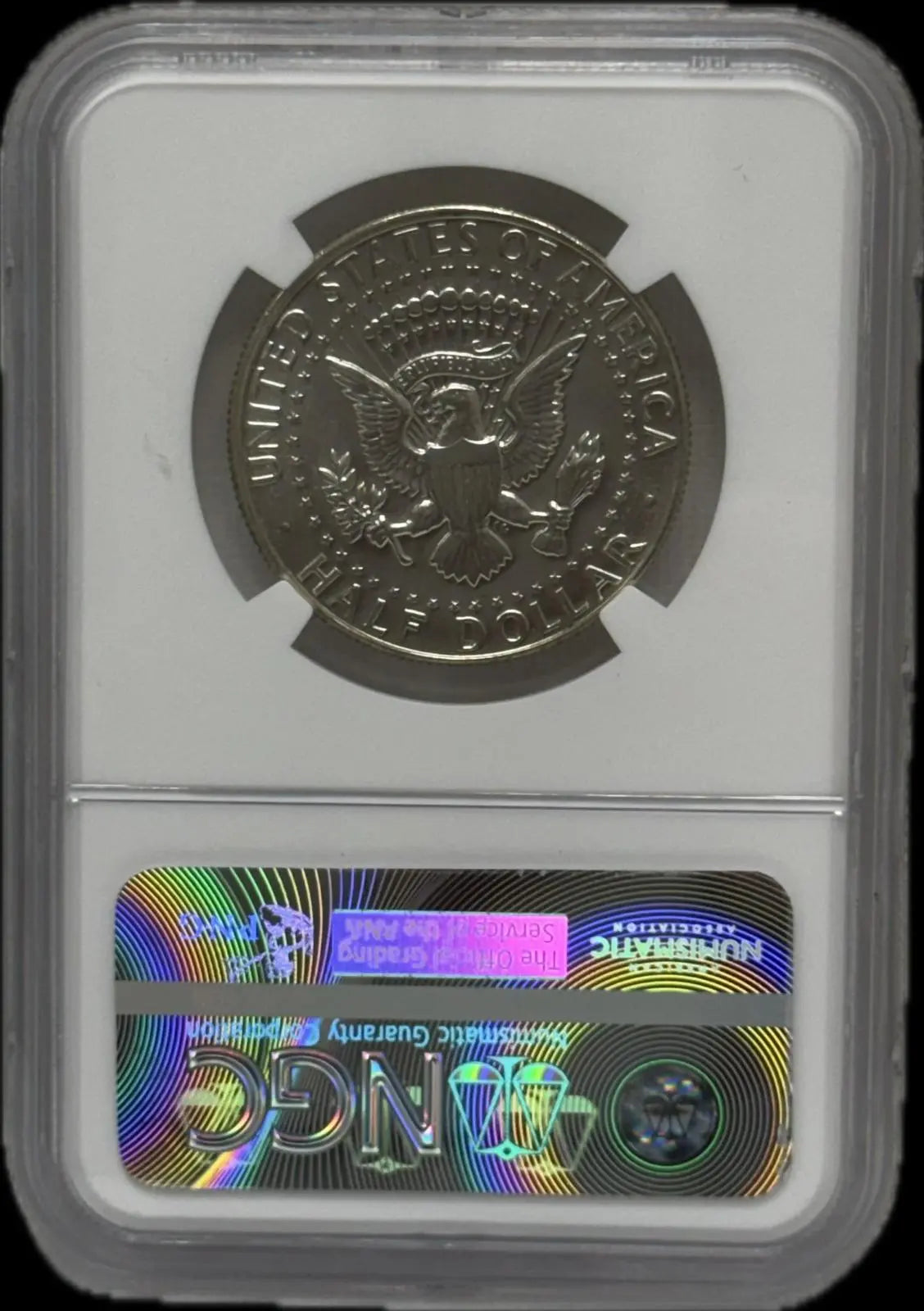
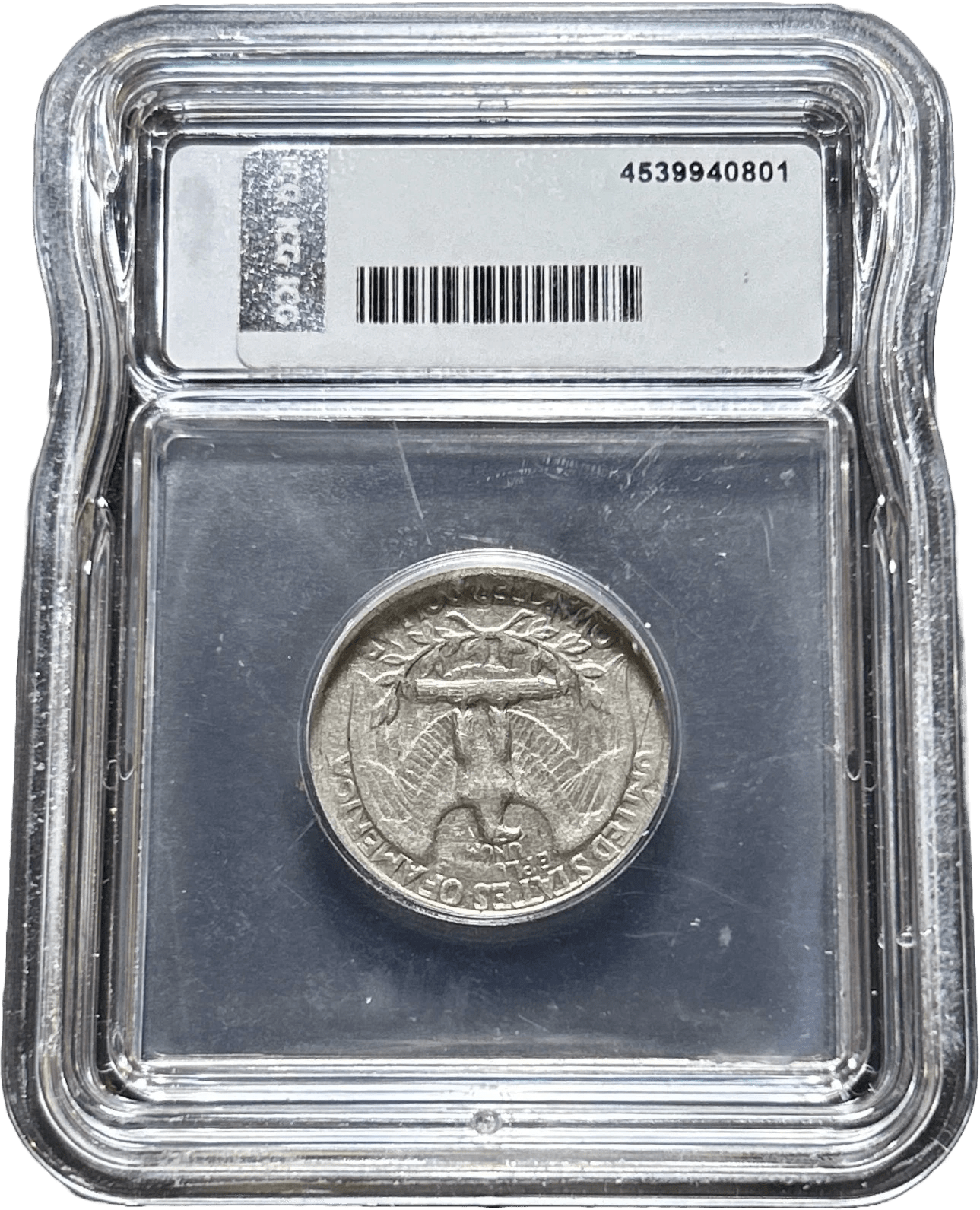
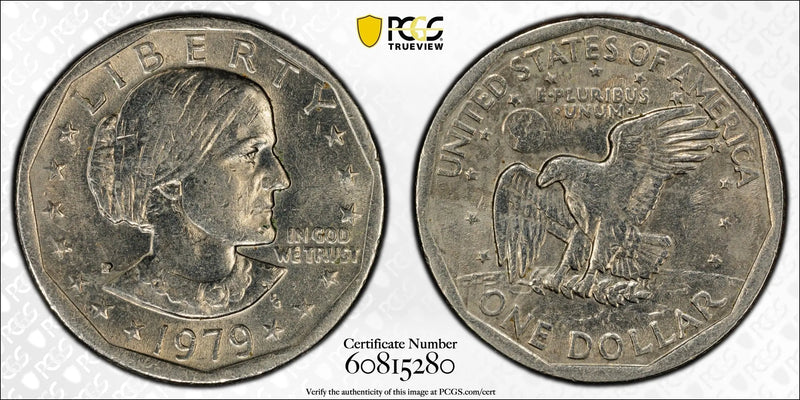
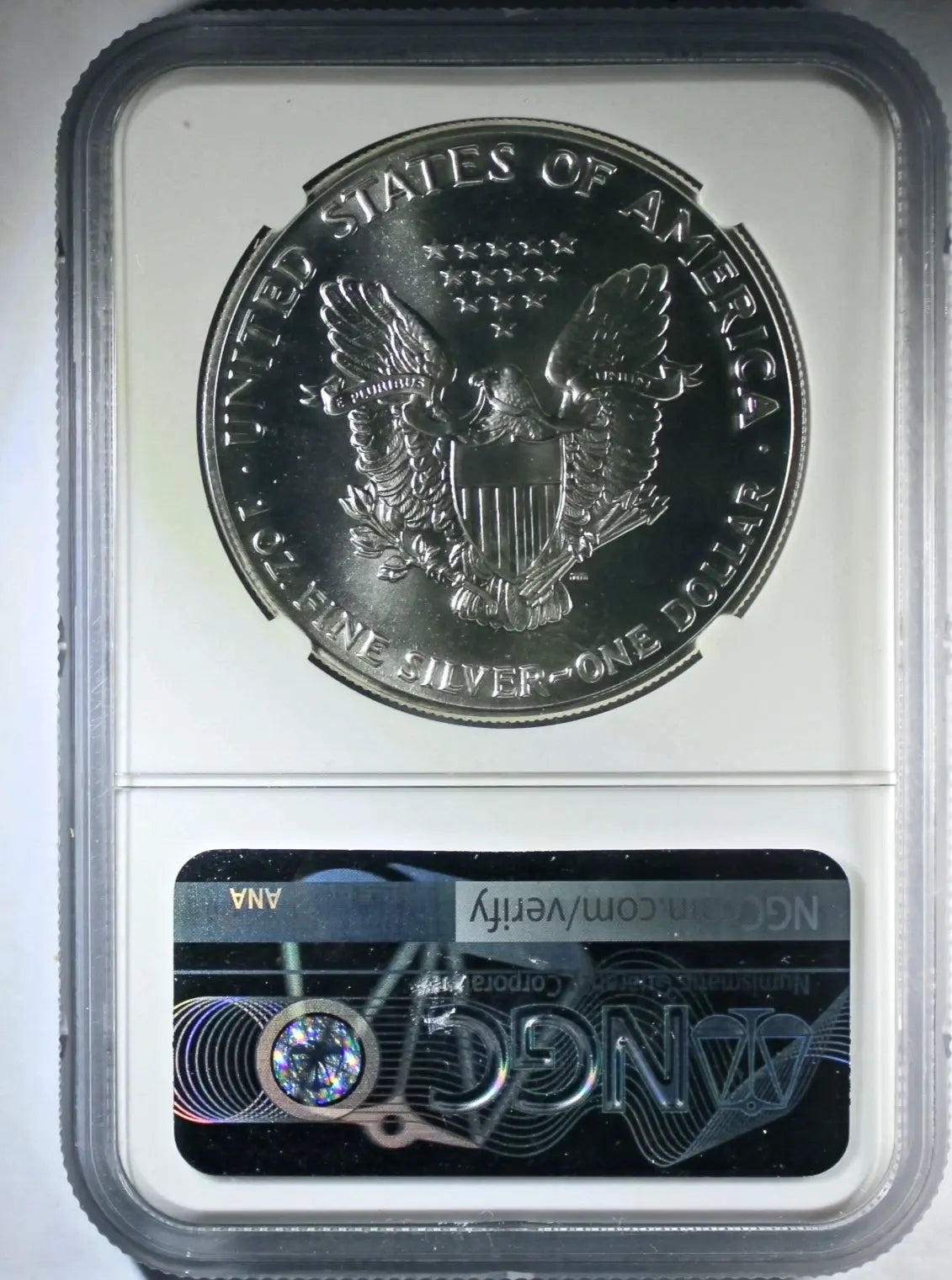
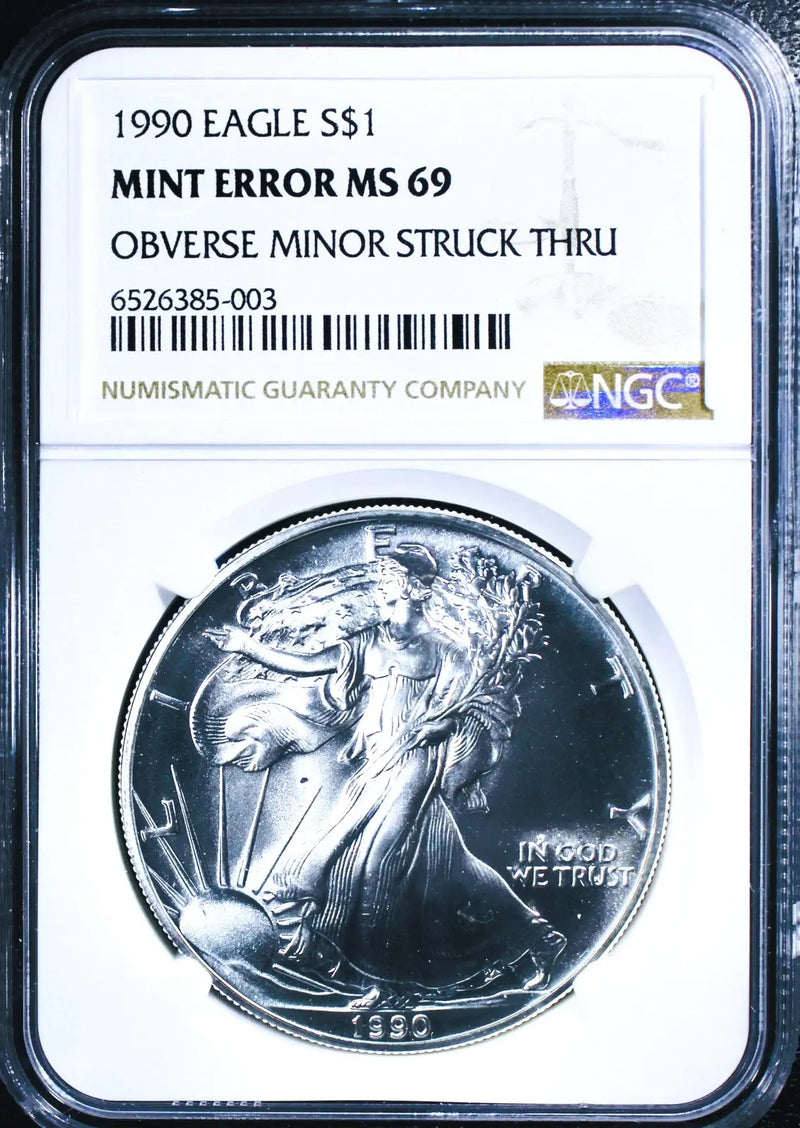
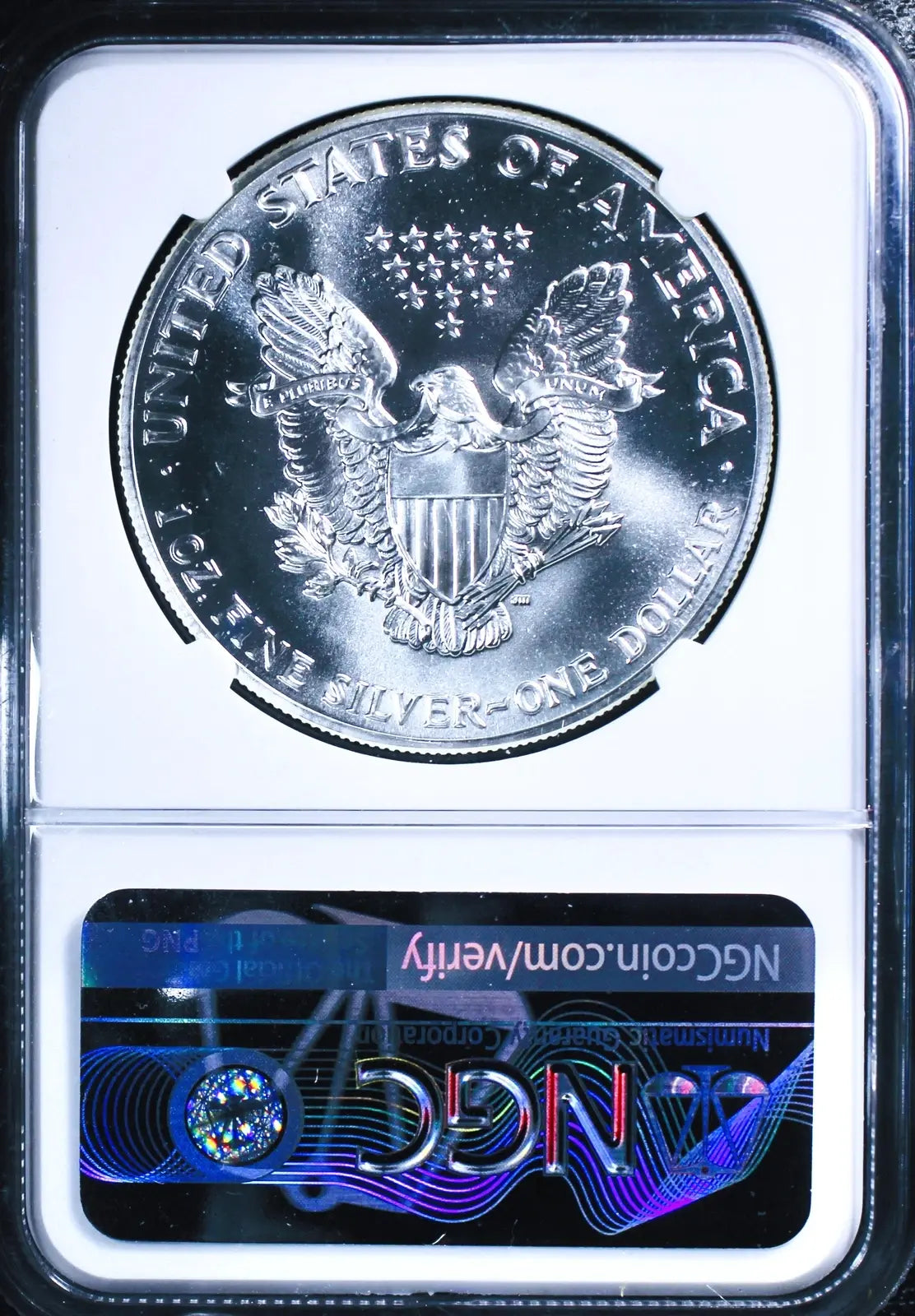
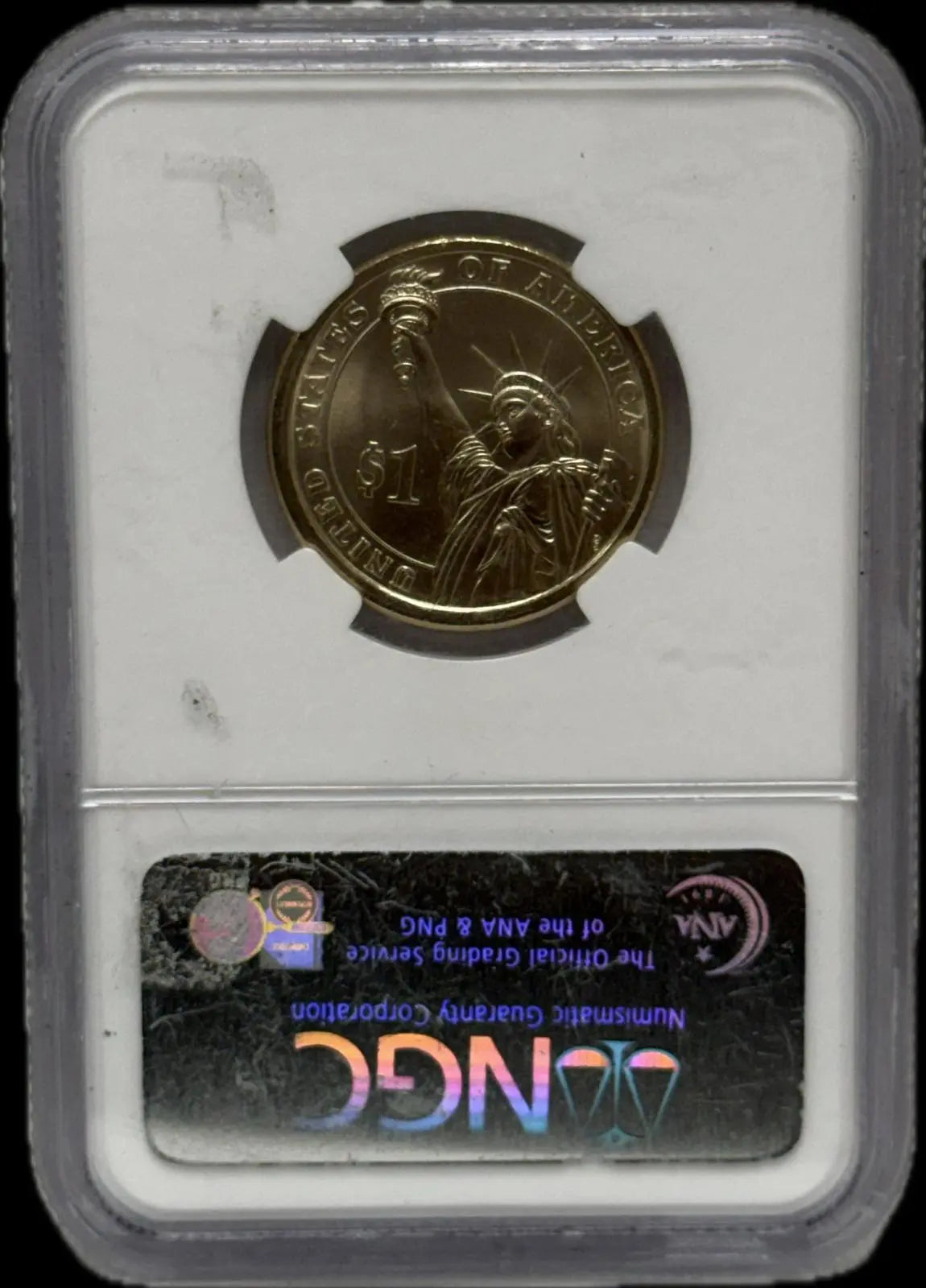
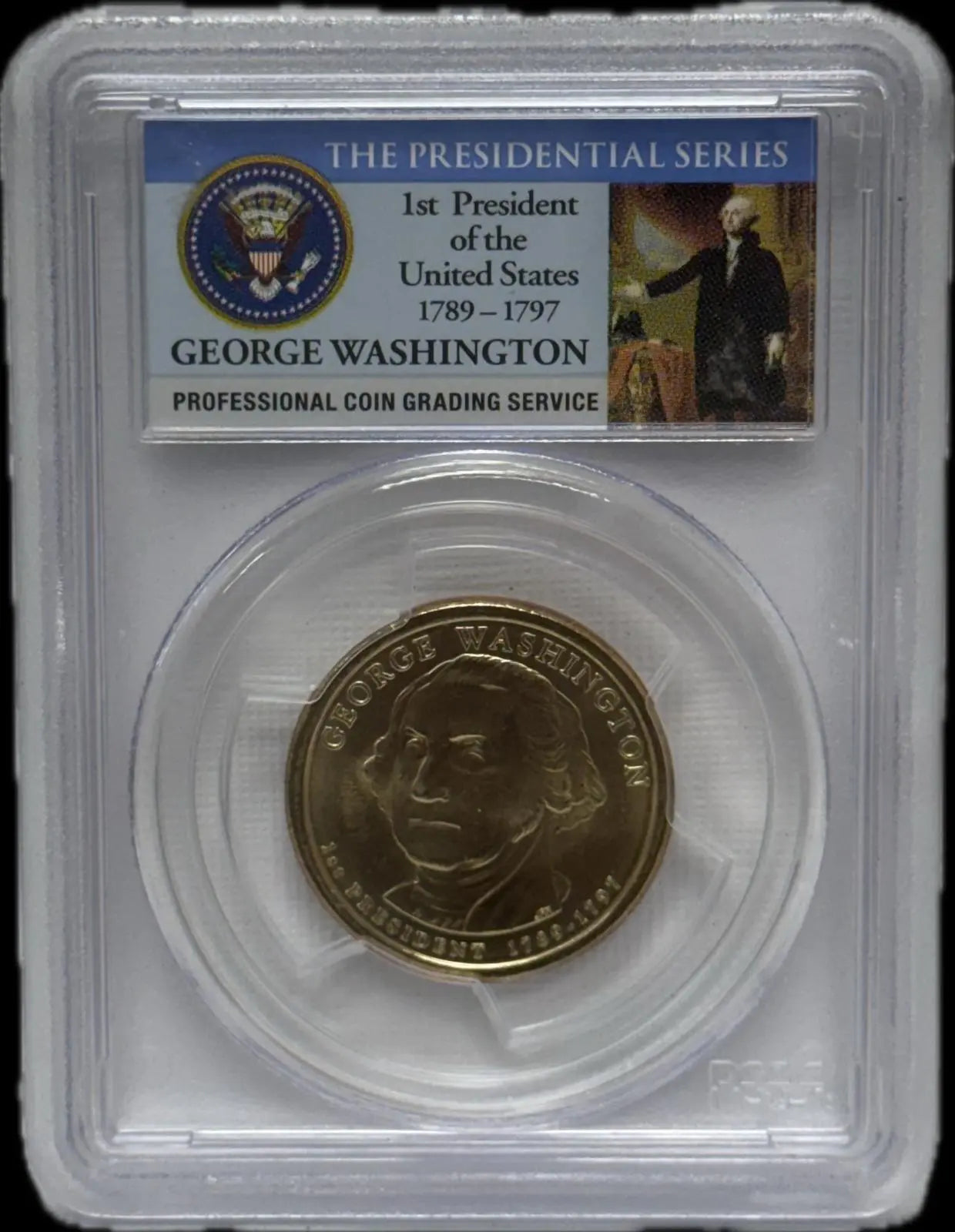
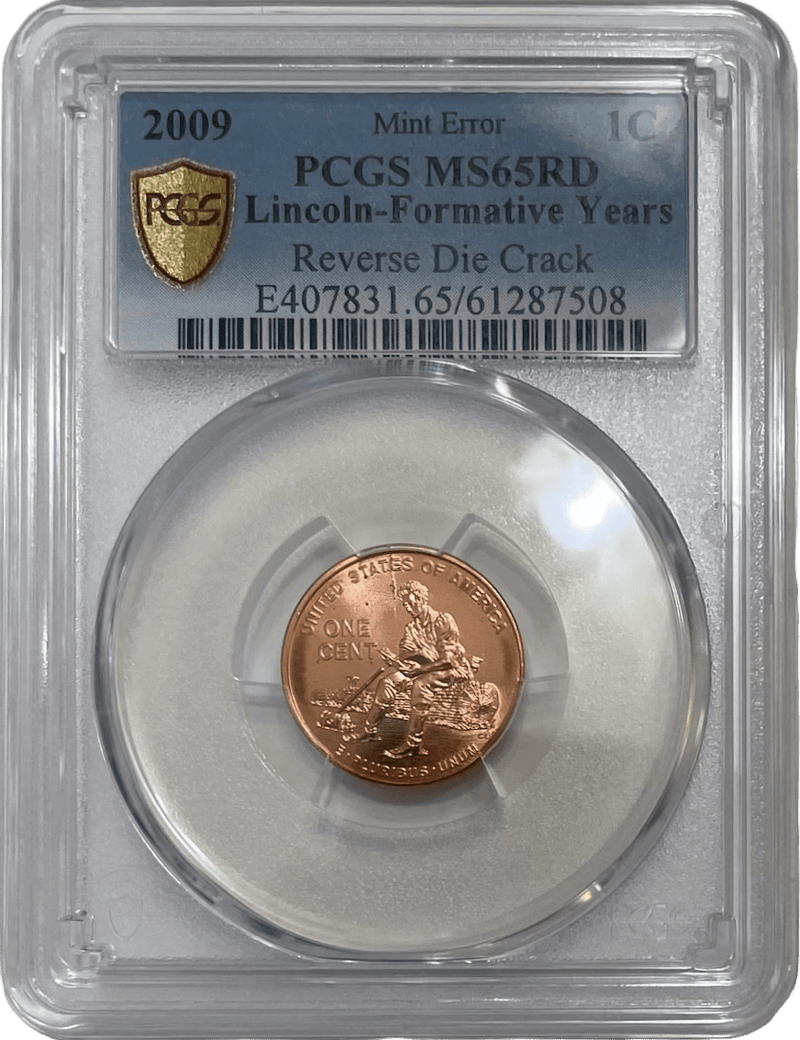
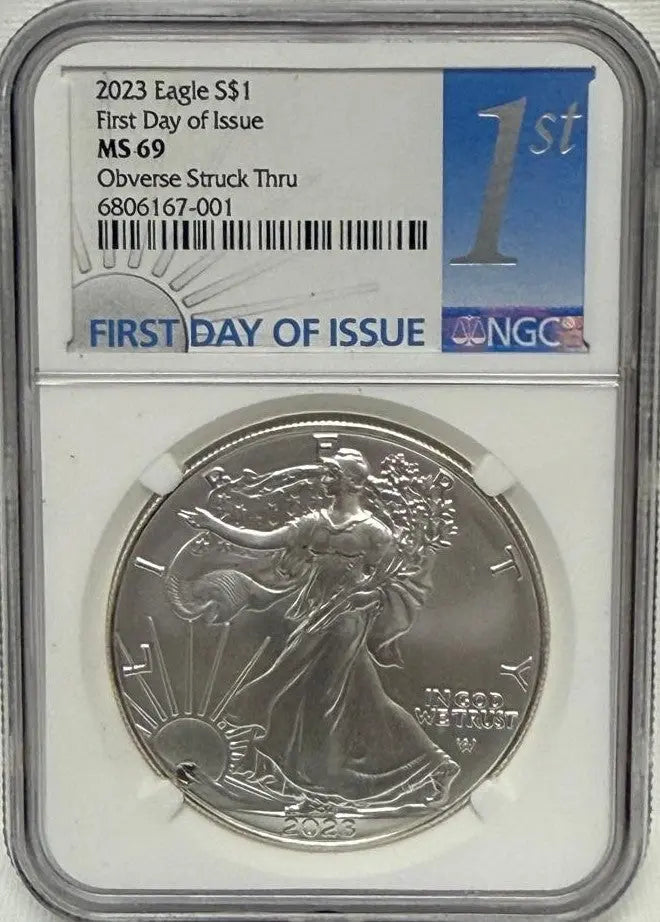
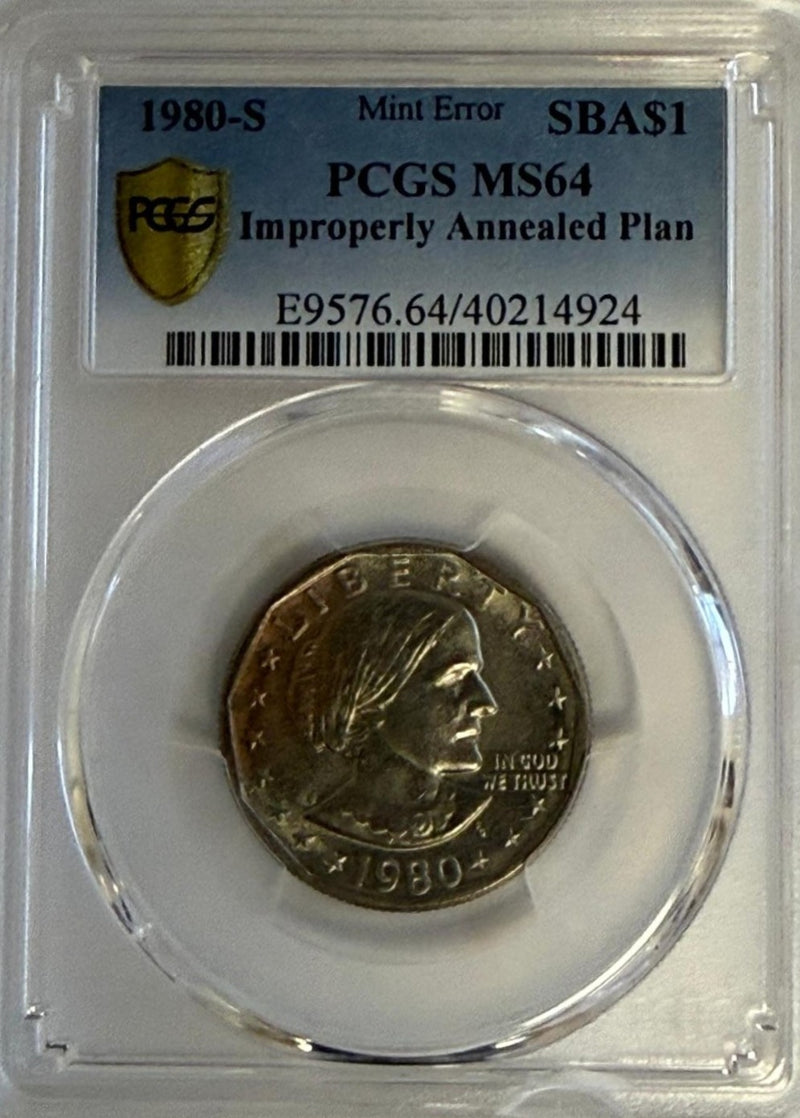
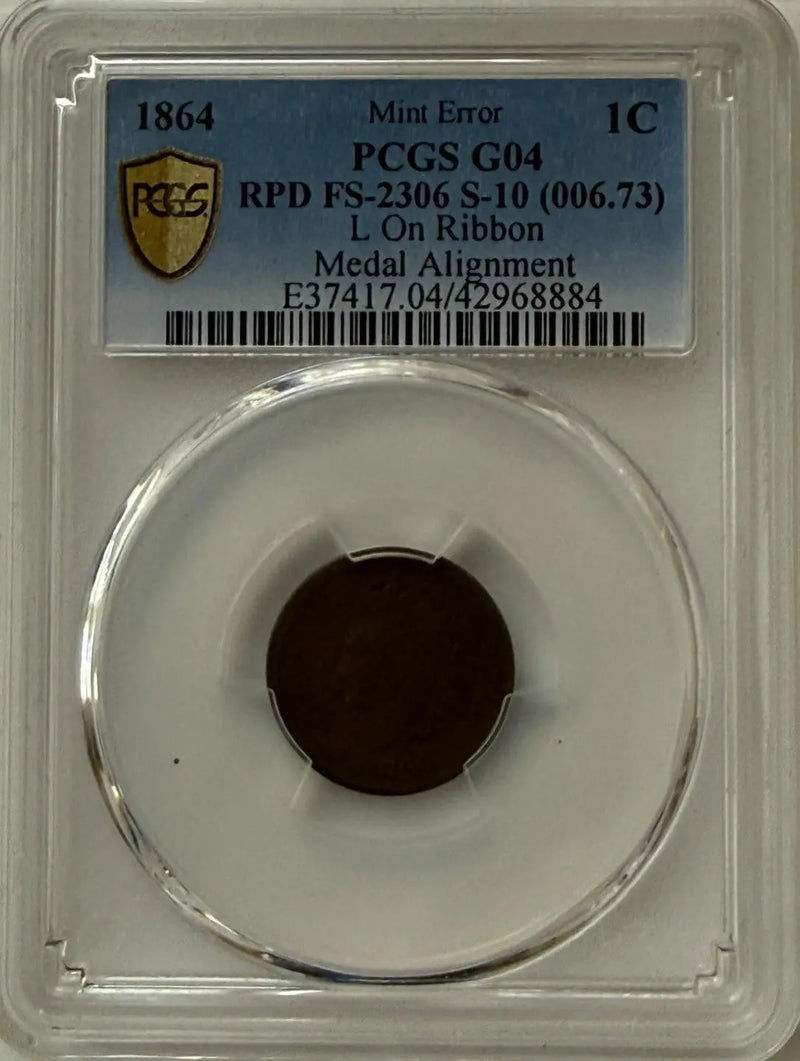
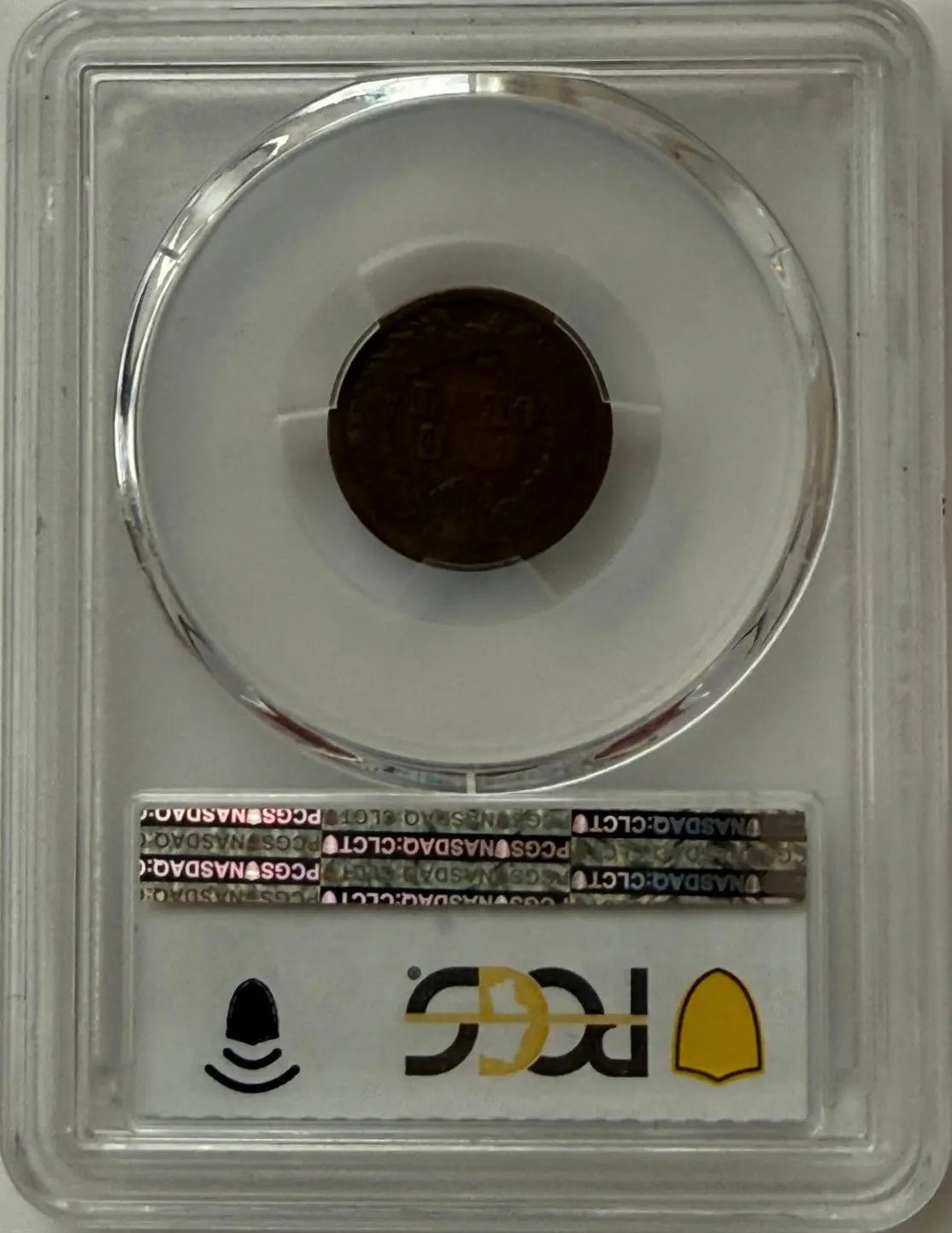
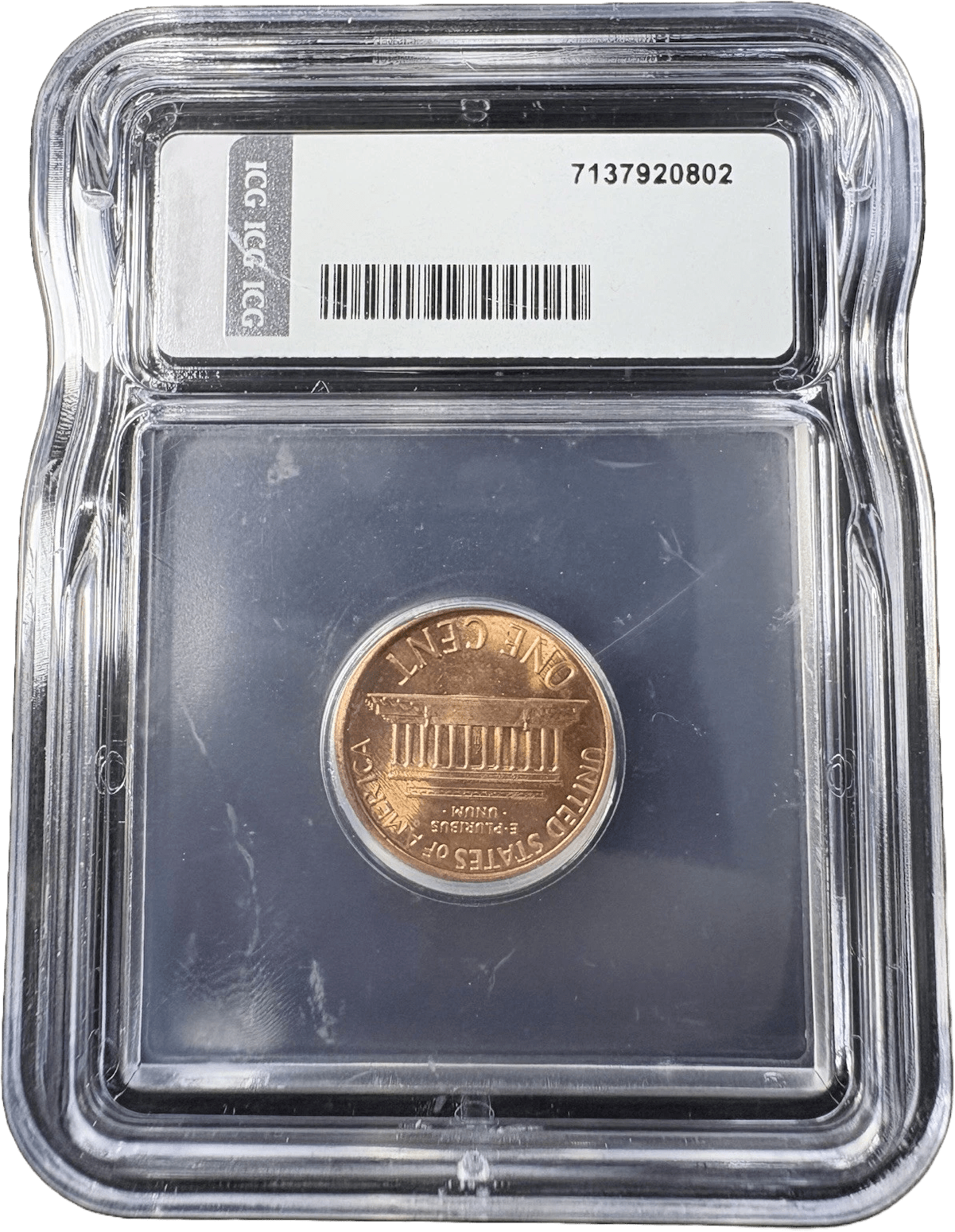
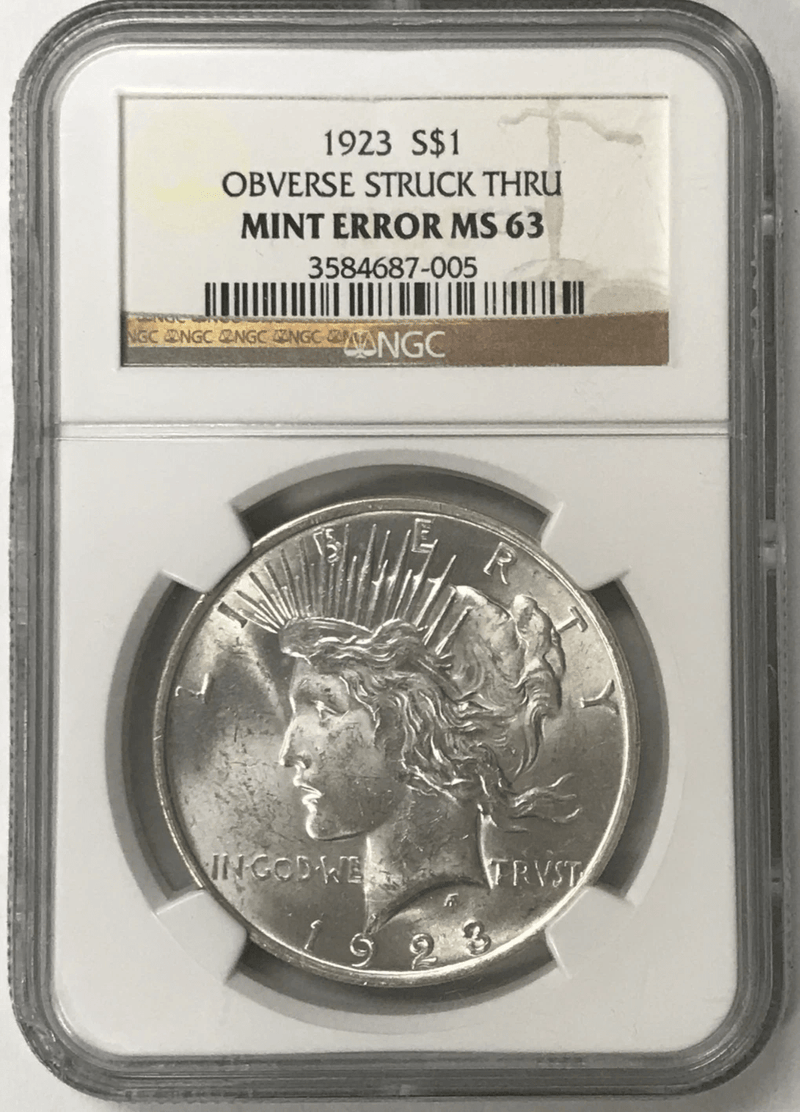
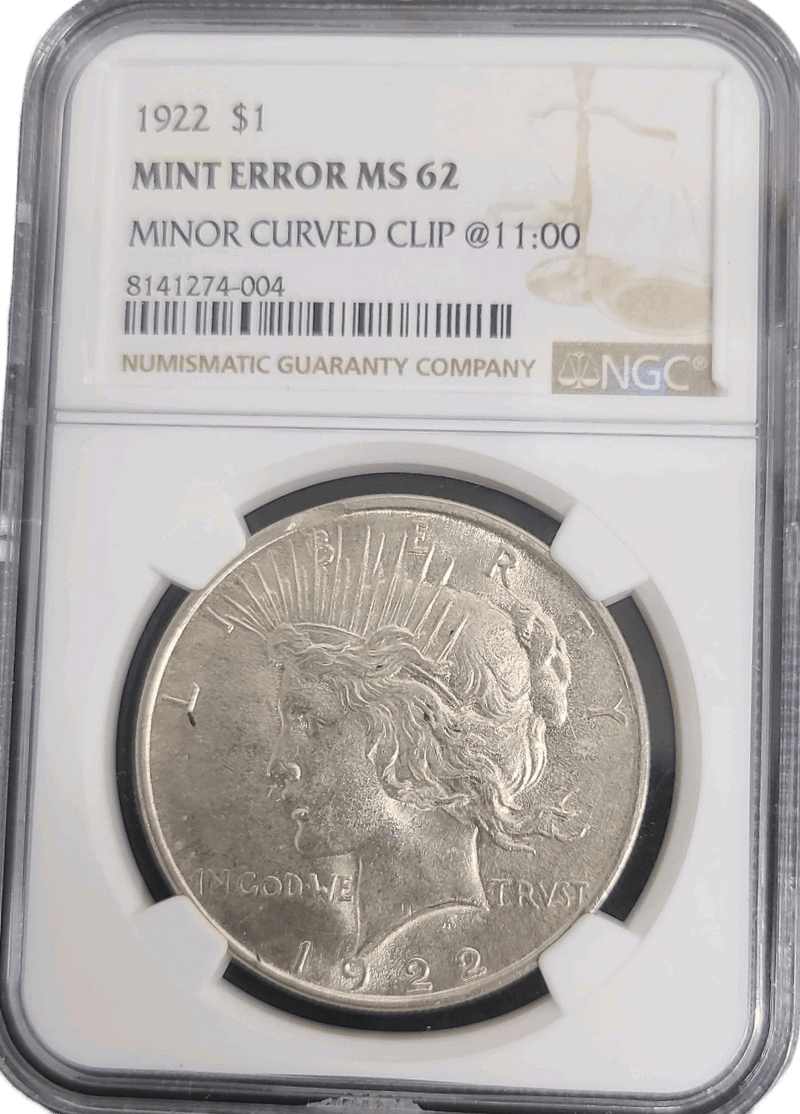
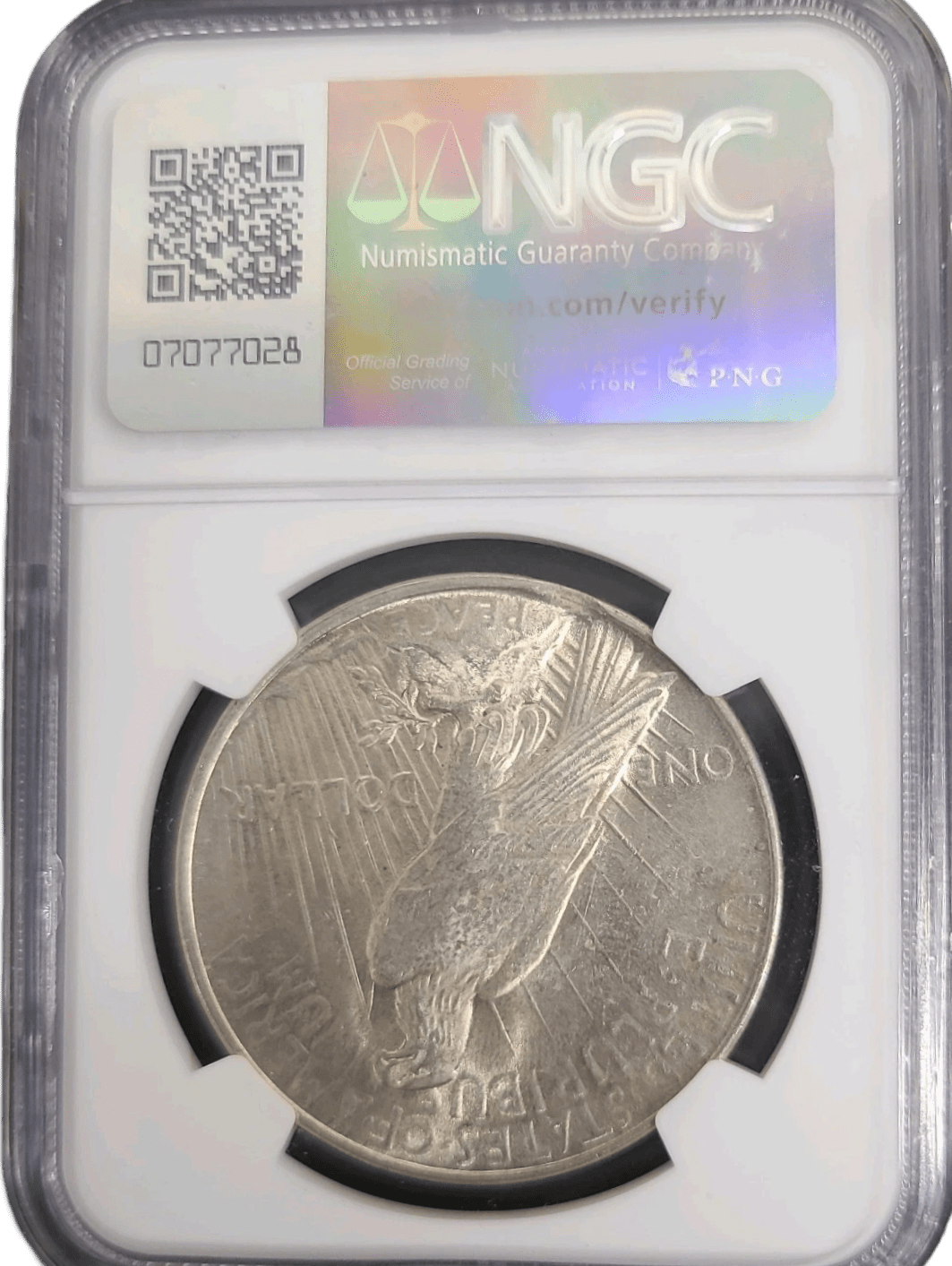
Professional grading services can provide an official condition grade if you want an accurate assessment.
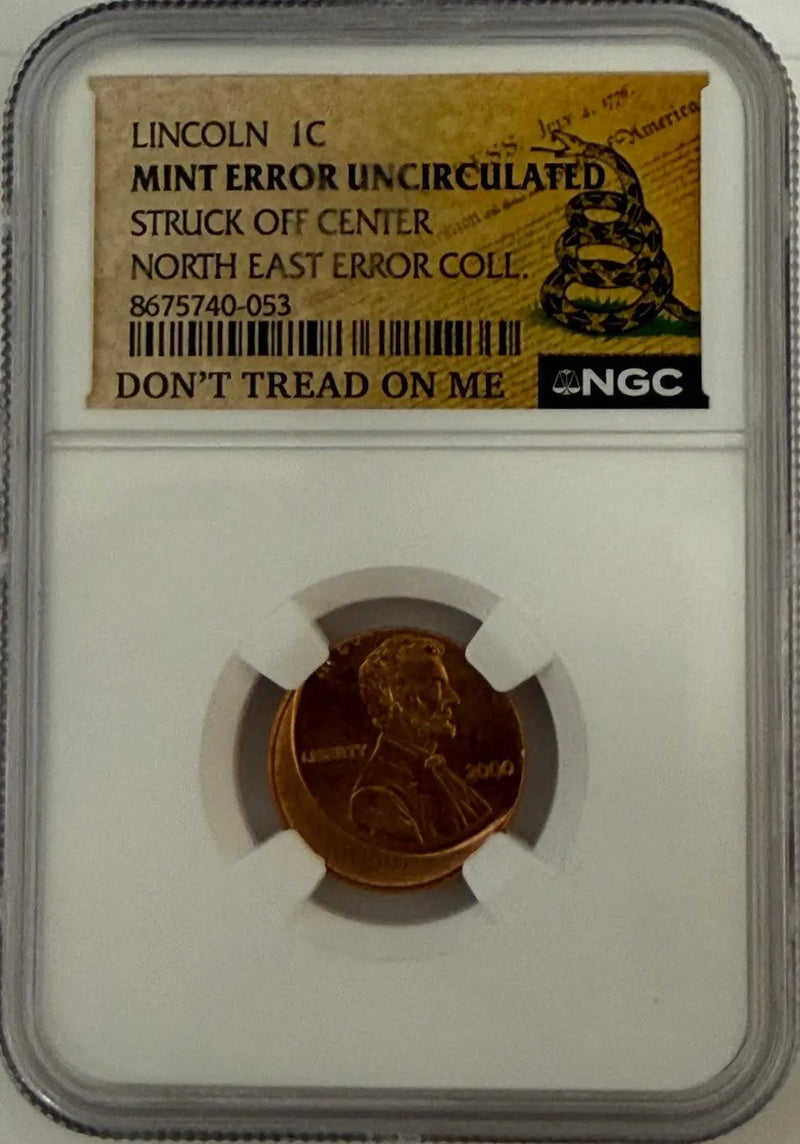
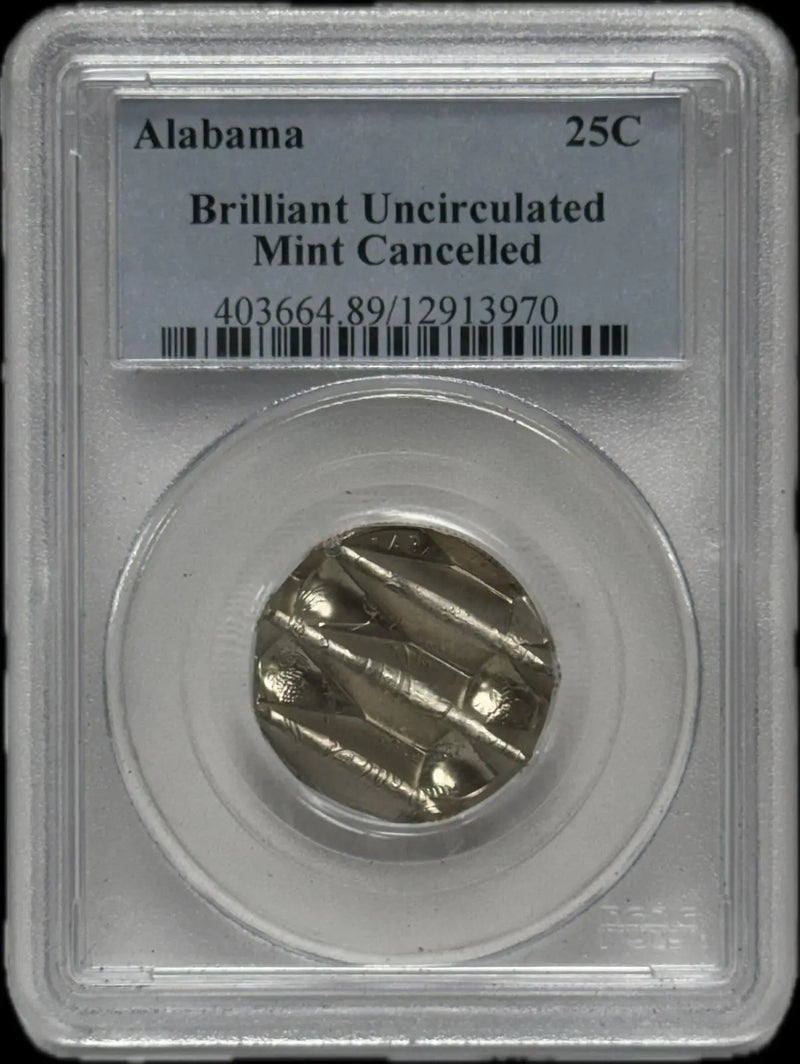
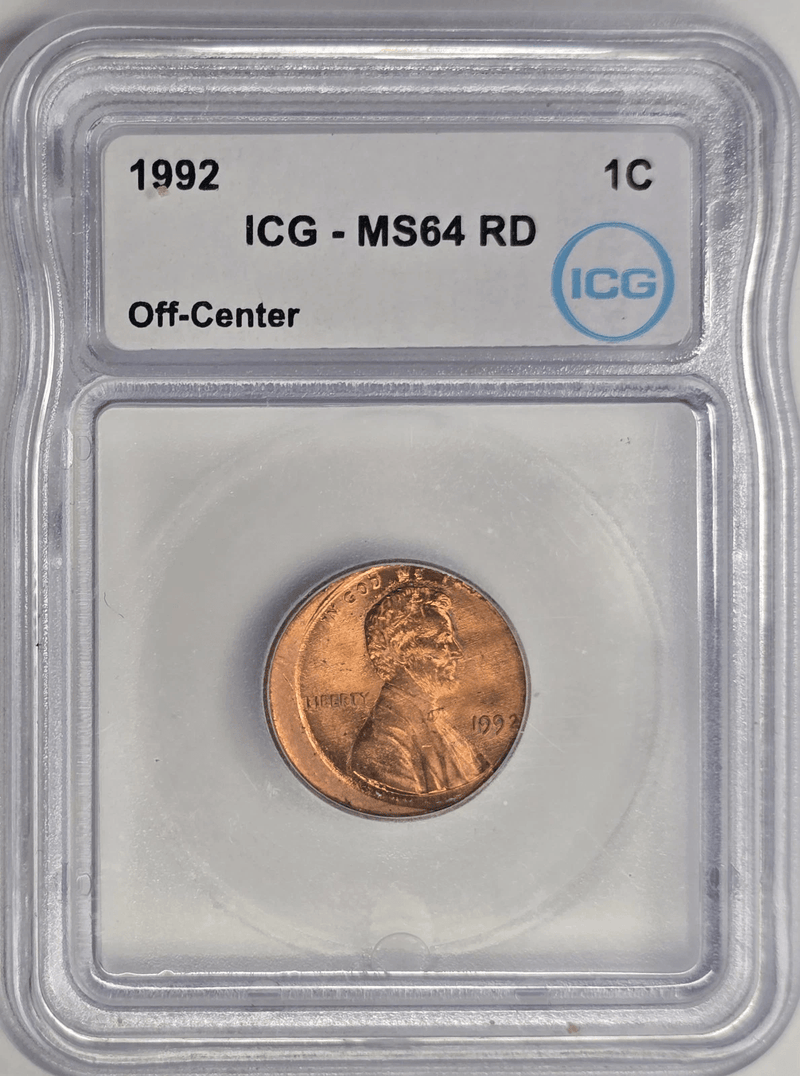
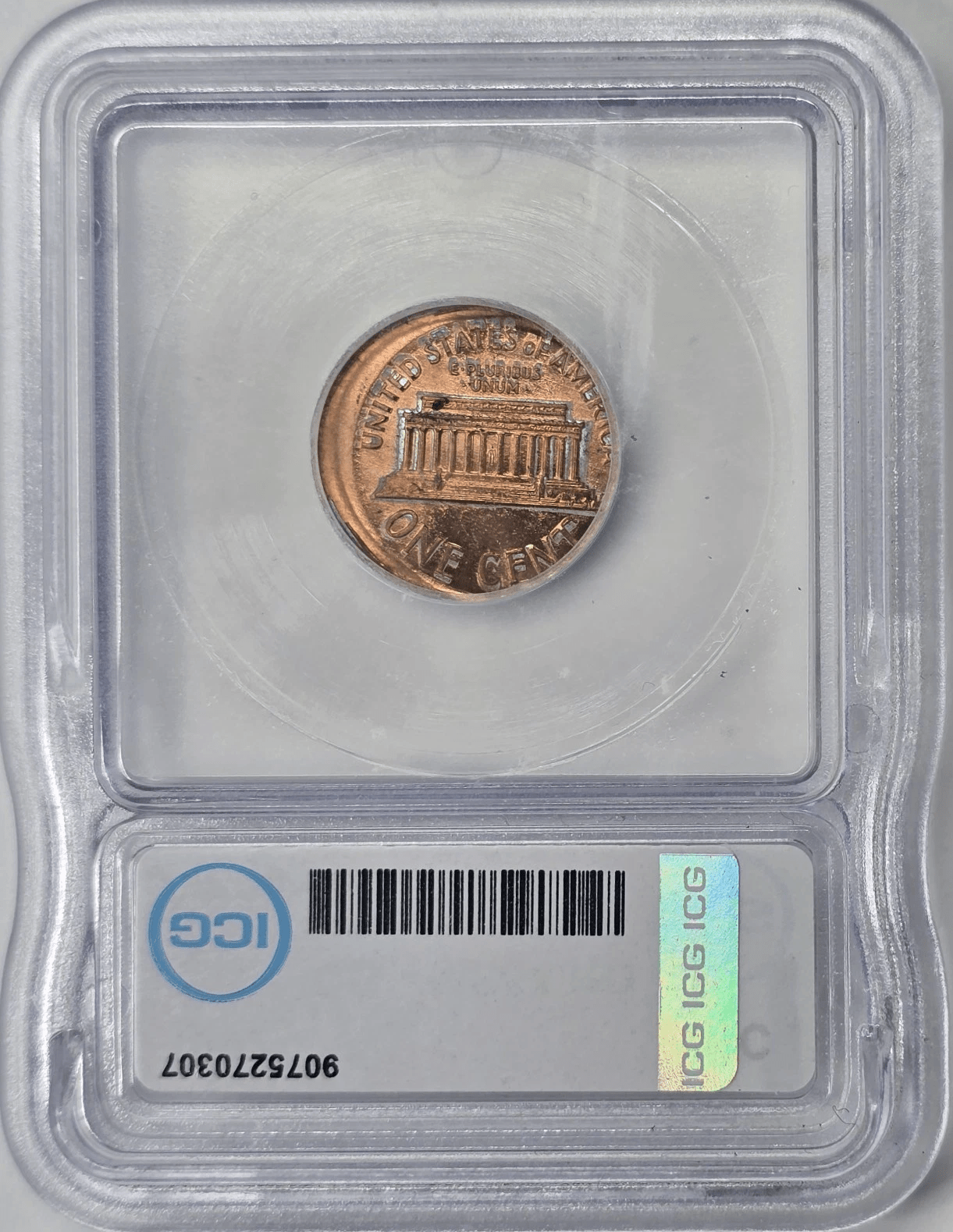
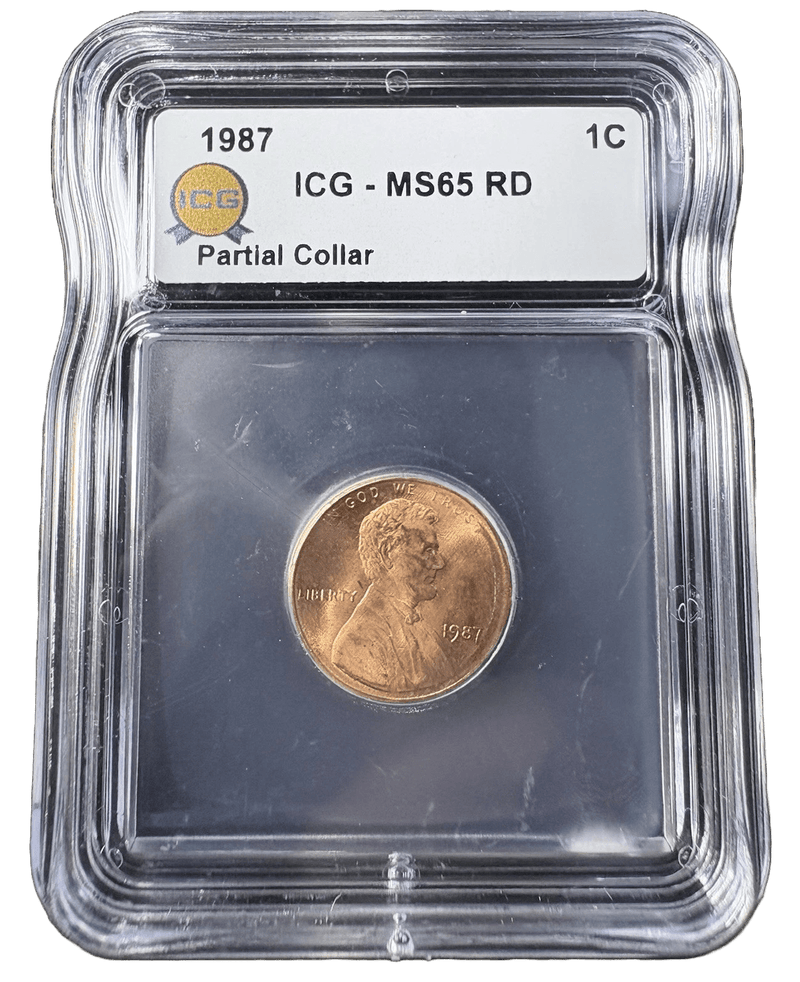
5. Look for Unique Features or Errors
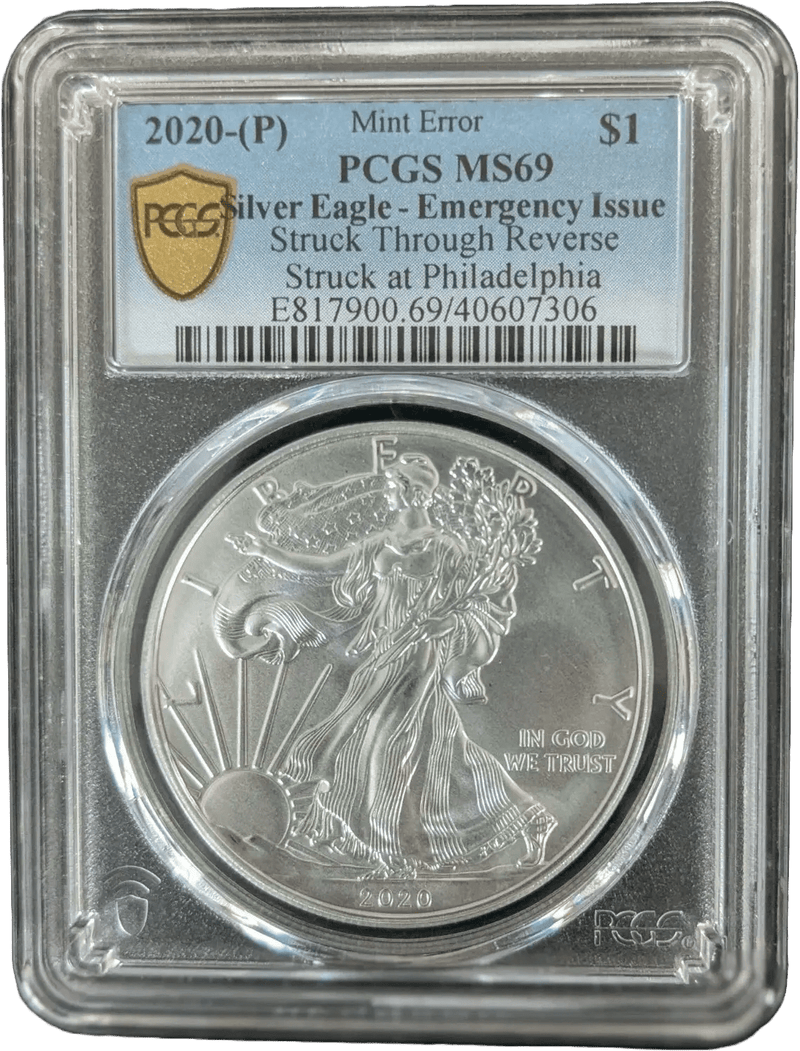
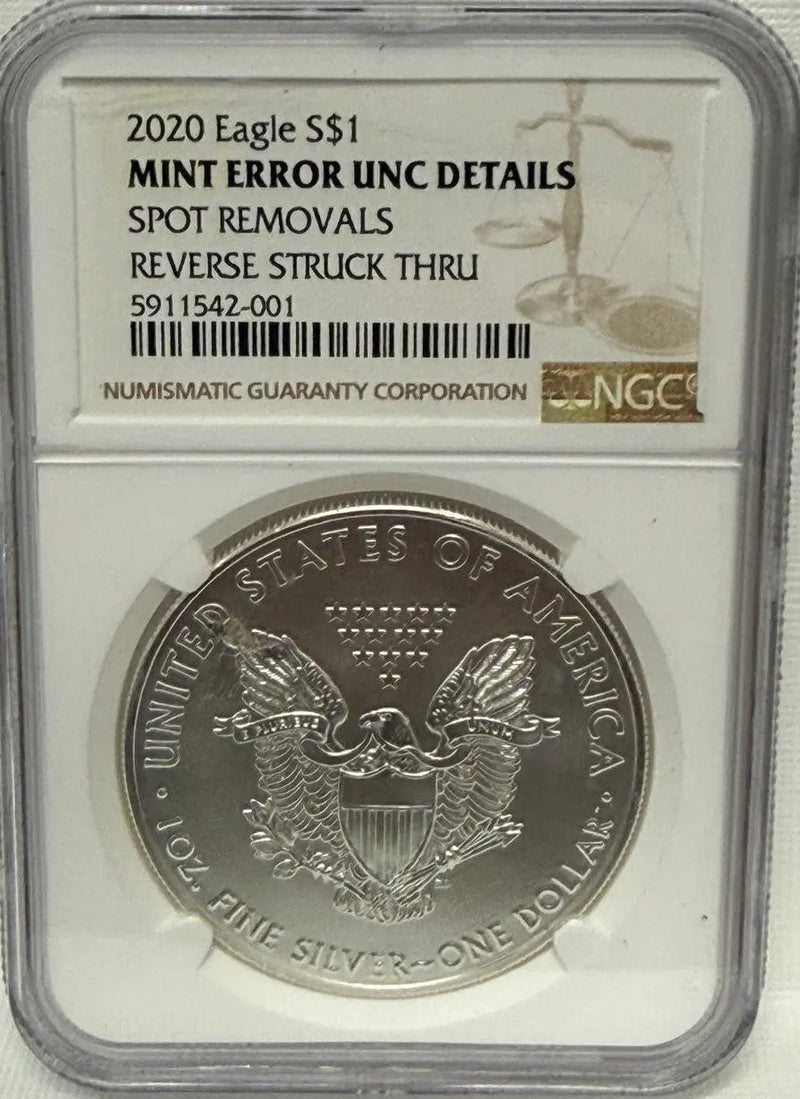
Some coins are rare because of unique features like:
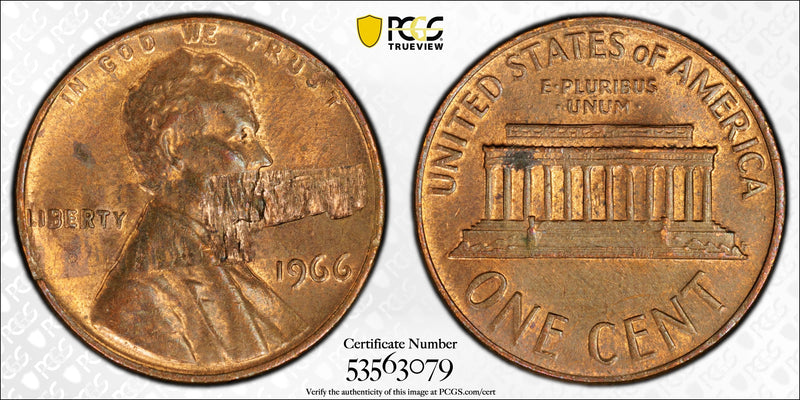
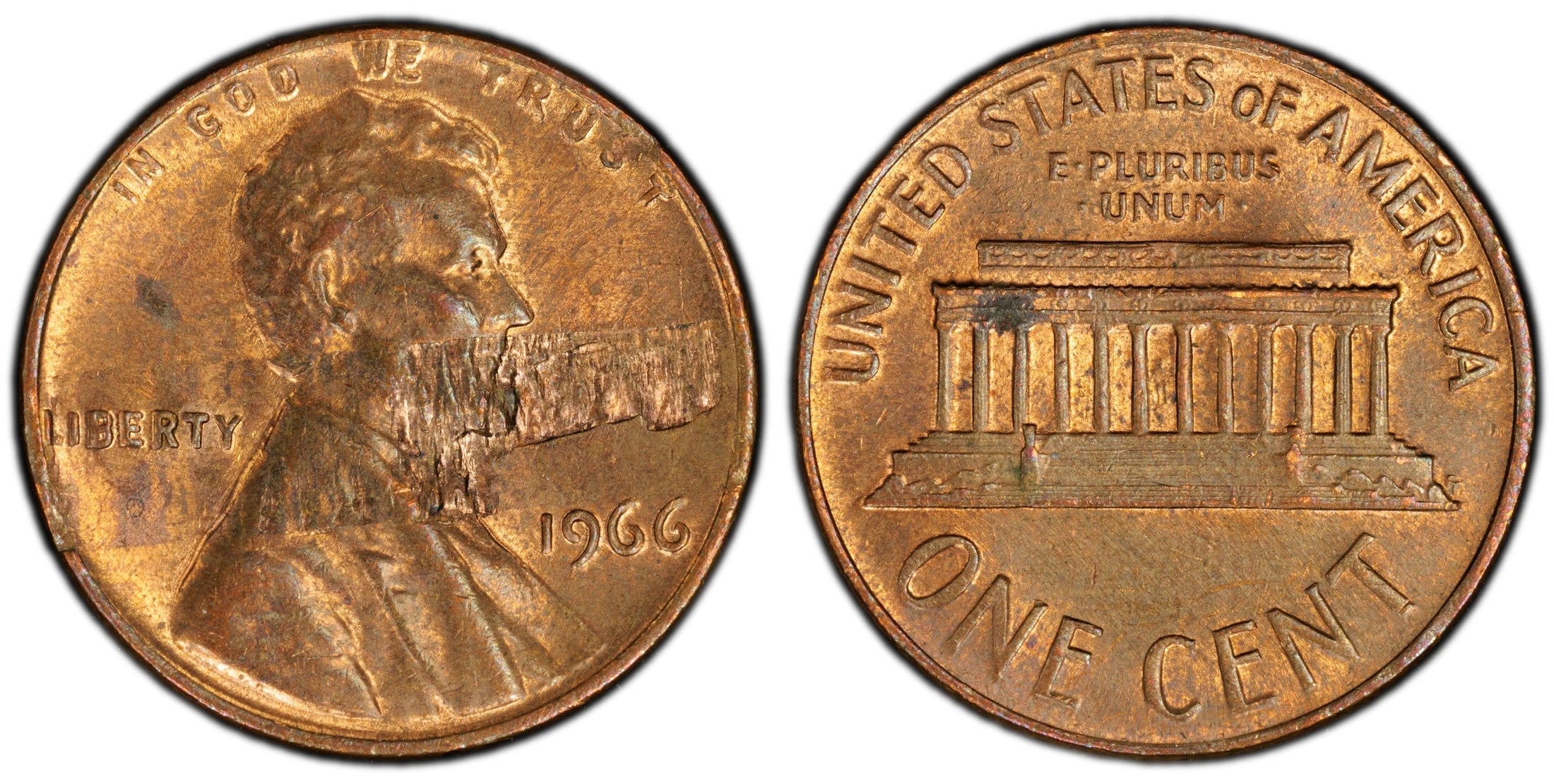
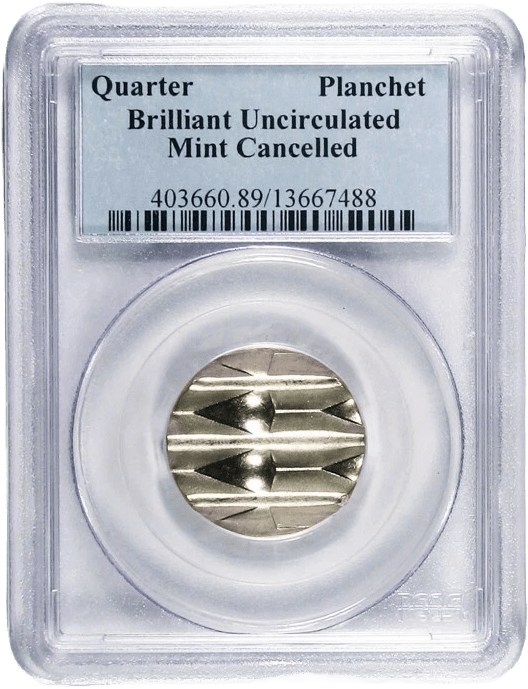
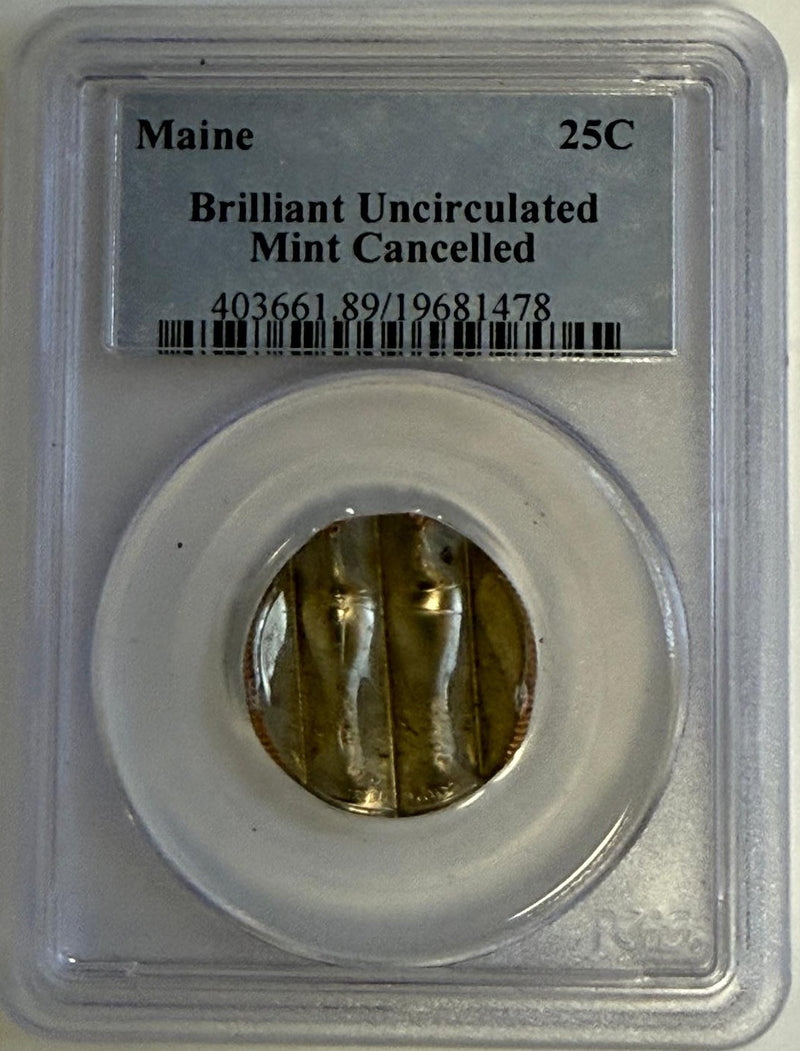
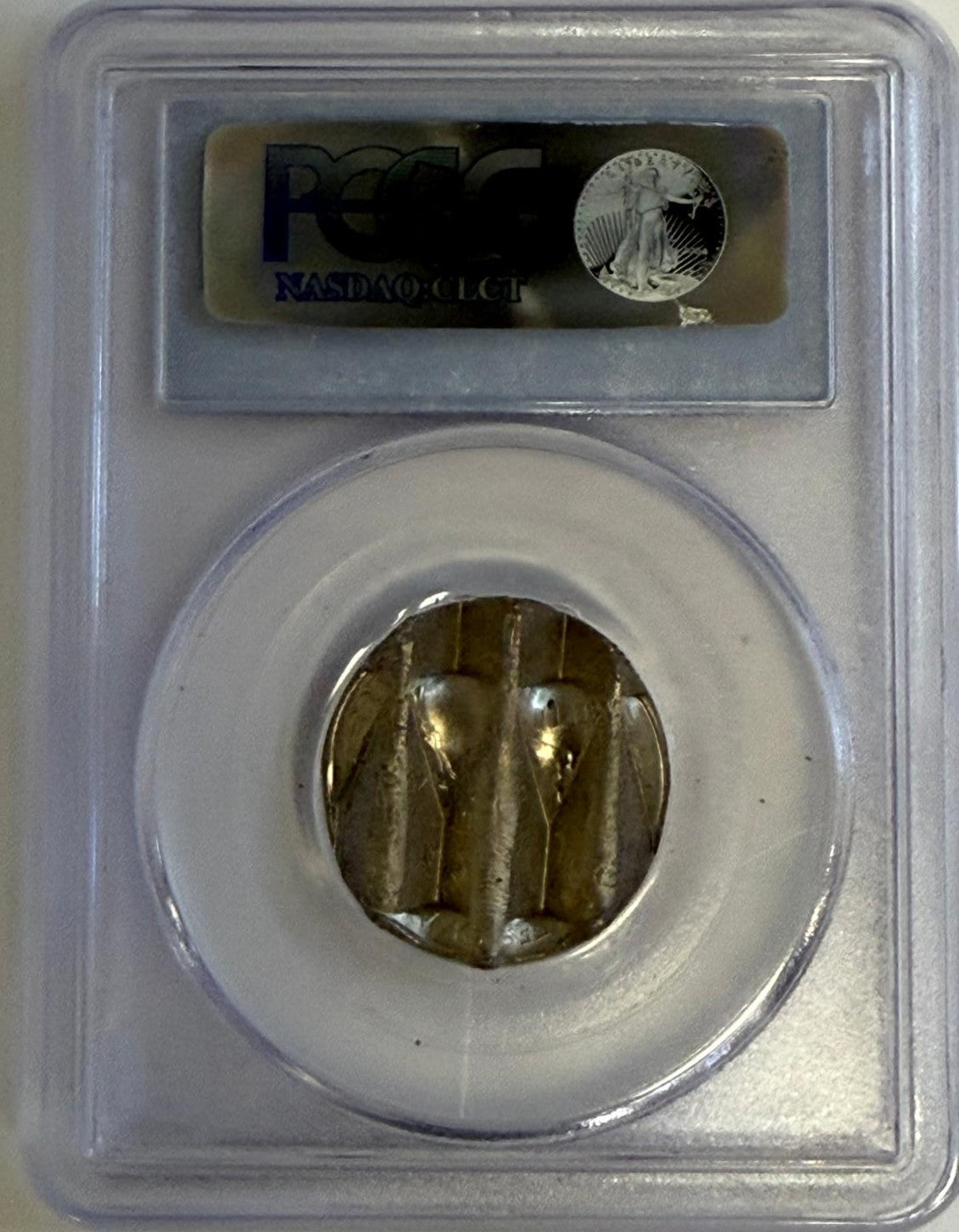
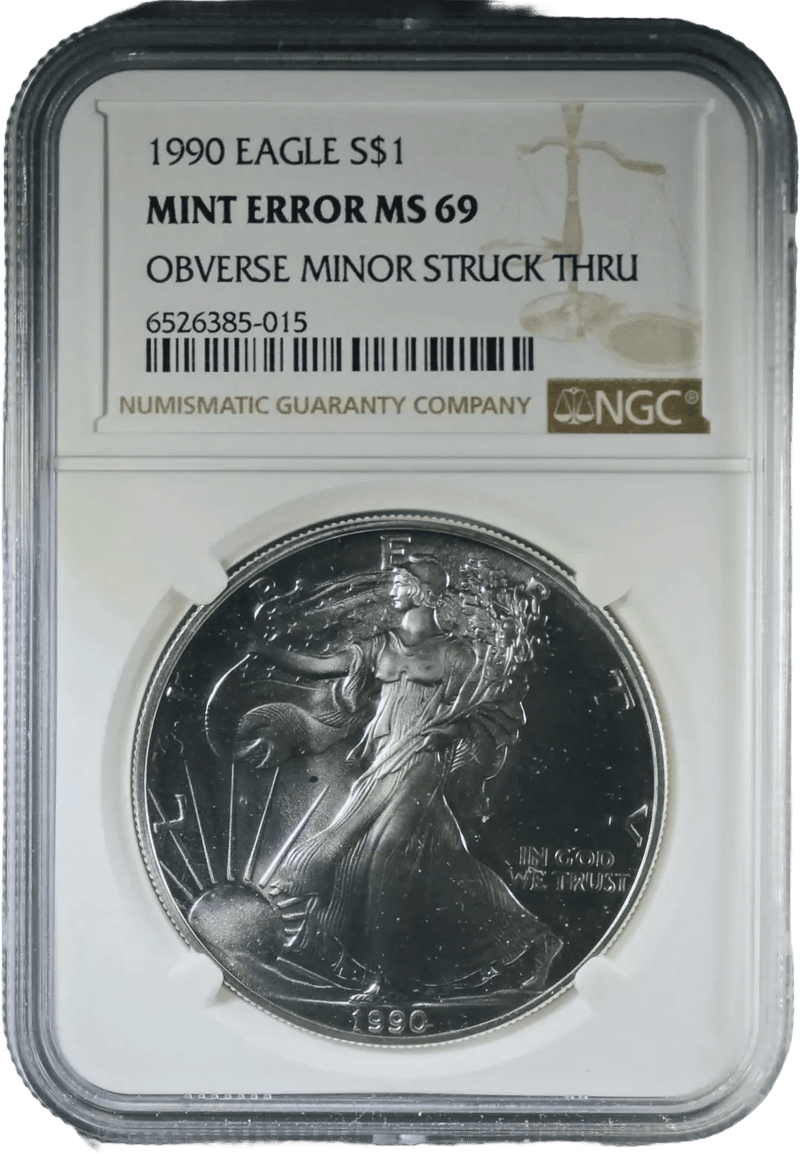
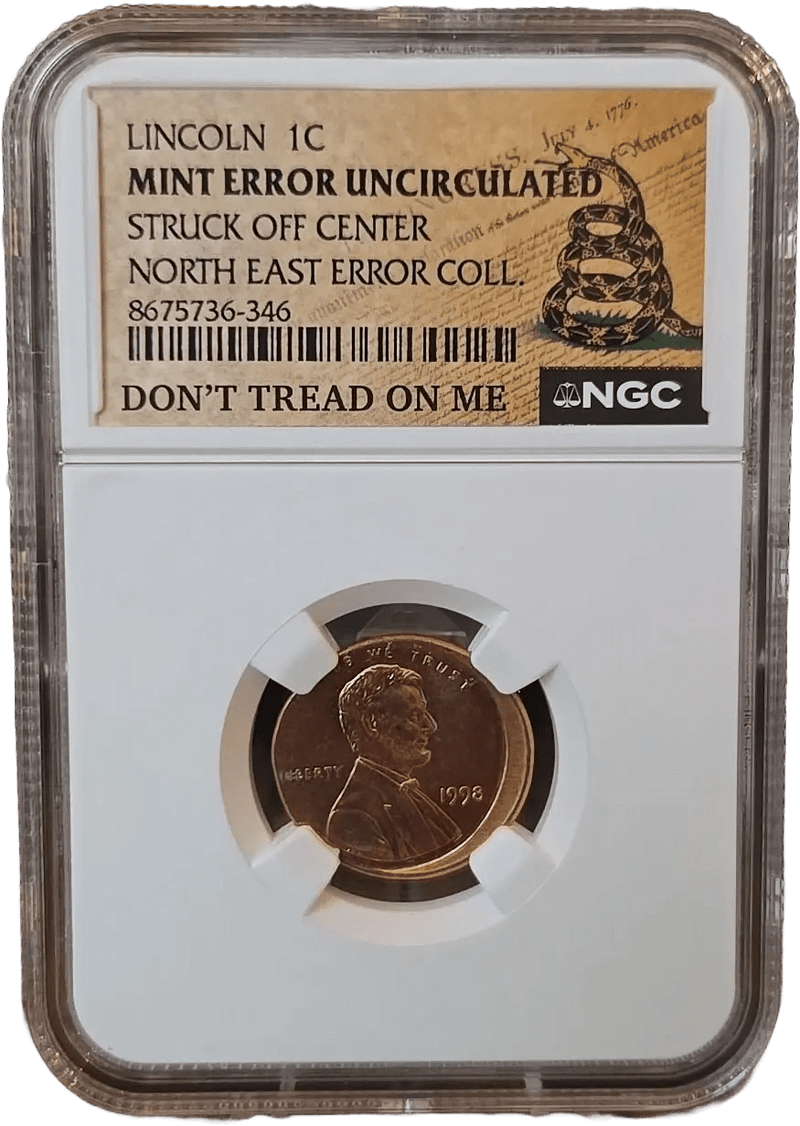
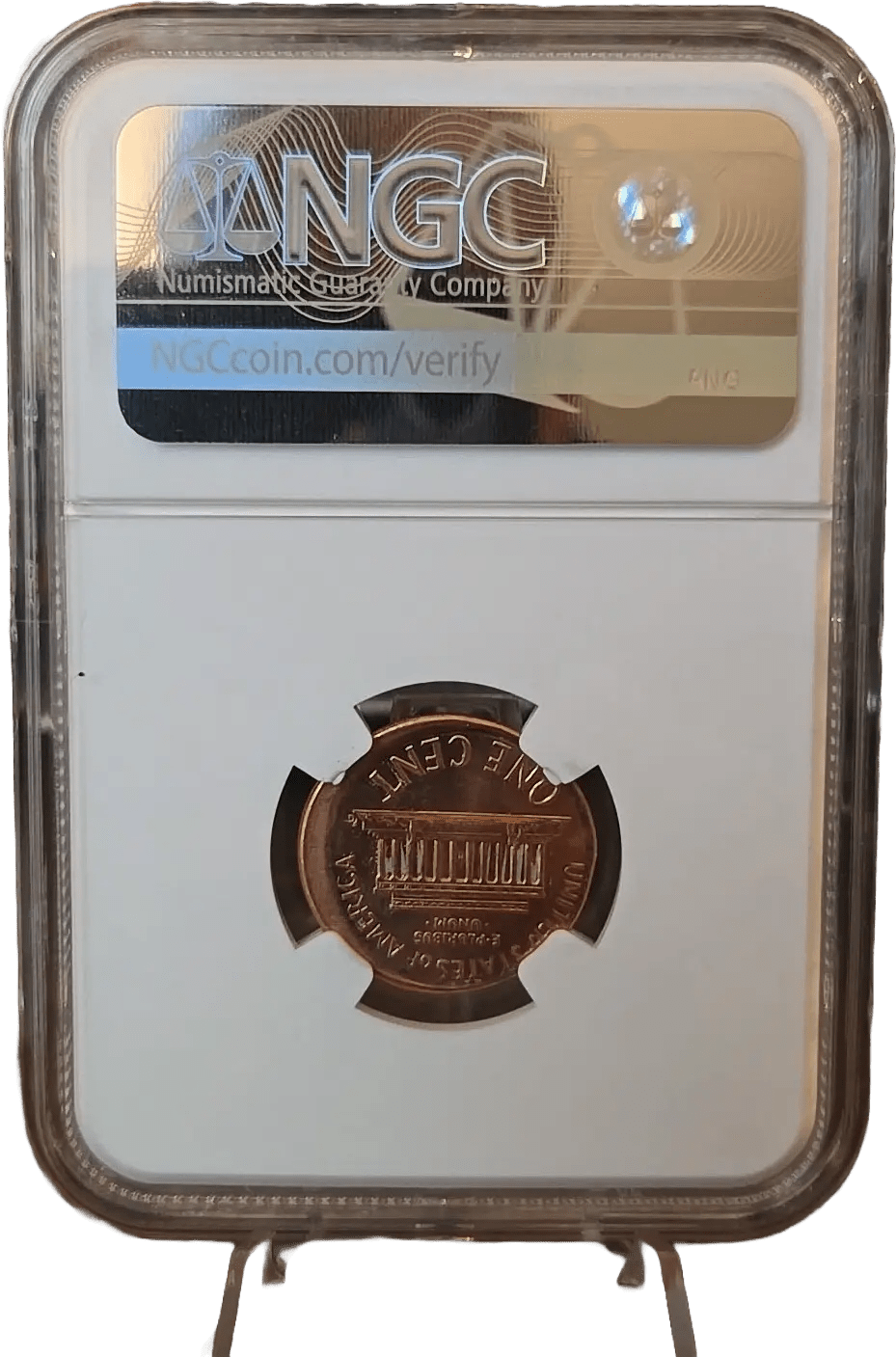
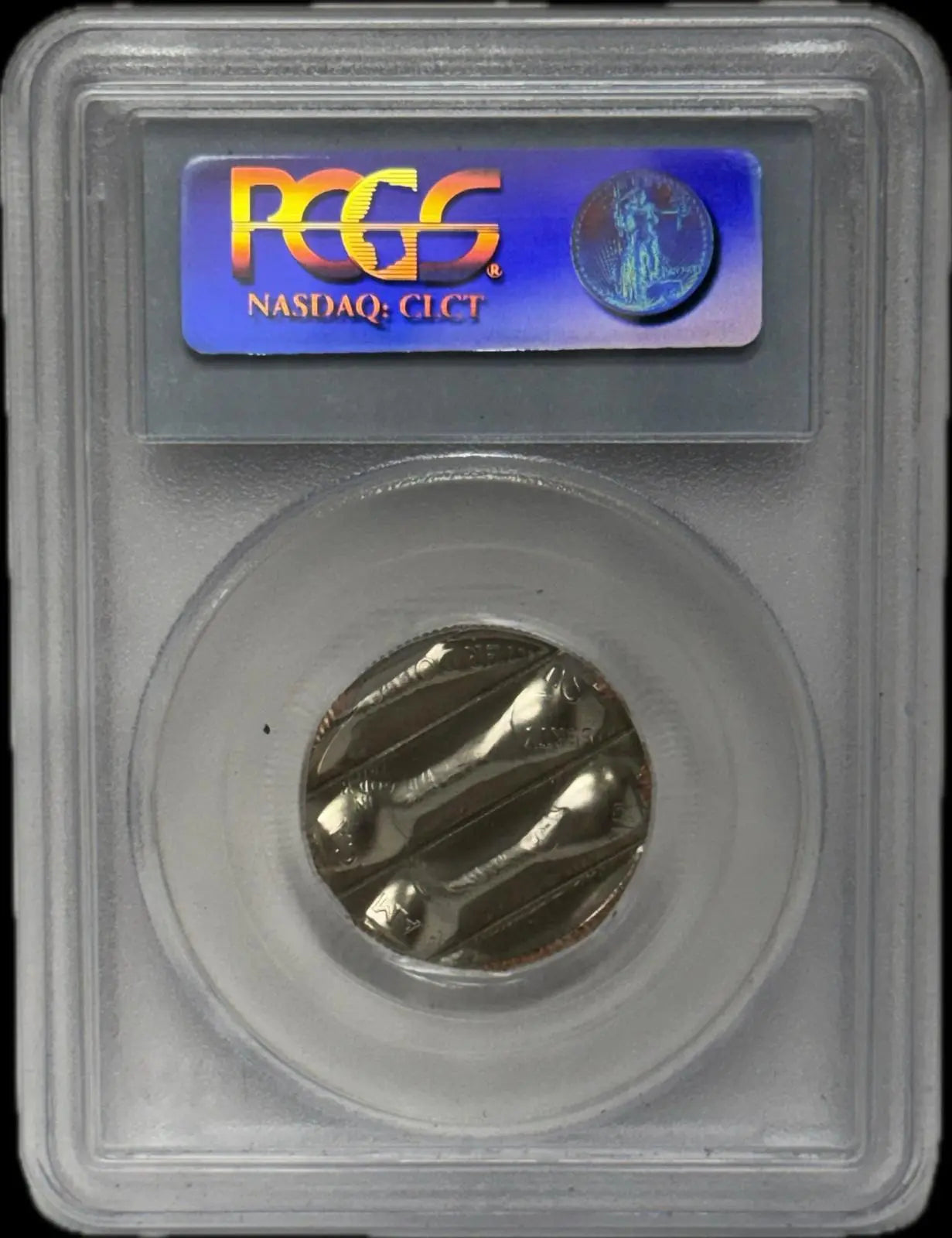
- Minting errors (double strikes, off-center strikes, missing elements)
- Special editions or commemoratives
- Variations in design or color
These anomalies can significantly increase a coin’s rarity and value.
6. Consult Coin Price Guides and Databases
Numerous resources can help you determine if your coin is rare, including:
- Numismatic books and catalogs (e.g., Red Book)
- Online databases like PCGS or NGC
- Auction sites and coin dealer listings
Comparing your coin to similar ones can give you an idea of its rarity and worth.
7. Seek Expert Opinions
If you suspect your coin is rare, consider consulting a professional numismatist or getting it appraised by a reputable grading service. They can confirm its rarity and condition, providing peace of mind and potentially increasing its value.
Conclusion
Identifying a rare coin involves a combination of research, observation, and sometimes expert advice. By examining the coin’s year, mint mark, condition, and unique features, you can get a good sense of its rarity. Remember, every coin has a story, and discovering its rarity can be an exciting part of your collecting journey!
Happy collecting!