The History of American Gold Dollars
American gold dollars represent wealth, stability, and confidence in the U.S. monetary system. From the earliest gold coins struck in the 19th century to modern bullion issues, gold dollars have played an important role in American history and remain highly valued by collectors and investors.
Unlike silver dollars, gold dollars were never widely used in everyday transactions, but they have always symbolized economic strength and long-term value.
Early U.S. Gold Dollars (1849–1889)
The first U.S. Gold Dollars were introduced in 1849, largely in response to the California Gold Rush, which dramatically increased the nation’s gold supply.
These early gold dollars were small in size but high in value for their time. Three main design types were produced:
-
Type 1 (Liberty Head, 1849–1854)
-
Type 2 (Indian Princess, Small Head, 1854–1856)
-
Type 3 (Indian Princess, Large Head, 1856–1889)
Despite their beauty, gold dollars were impractical for circulation due to their tiny size and tendency to be lost. Production ended in 1889 as the U.S. moved away from small-denomination gold coins.
The End of Circulating Gold Coins
In the early 20th century, gold coins played a larger role in higher denominations, such as $10 Eagles and $20 Double Eagles. However, during the Great Depression, major changes reshaped U.S. gold ownership.
In 1933, President Franklin D. Roosevelt issued an executive order that ended gold coin circulation and restricted private ownership of gold. As a result, American gold coins disappeared from everyday use, marking the end of circulating gold dollars.
The Return of Gold Dollars: Modern Bullion Coins
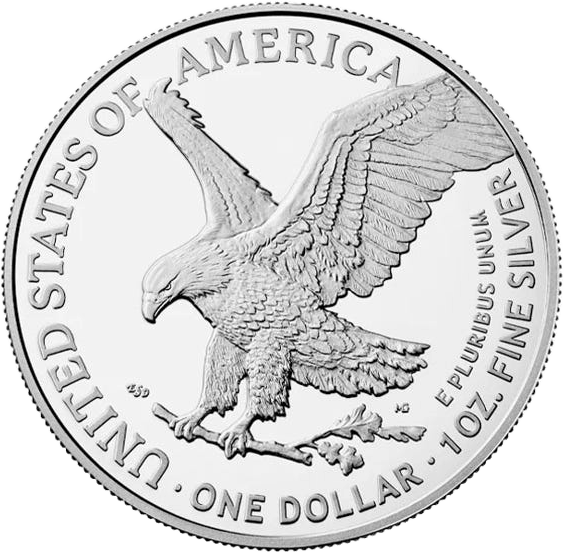
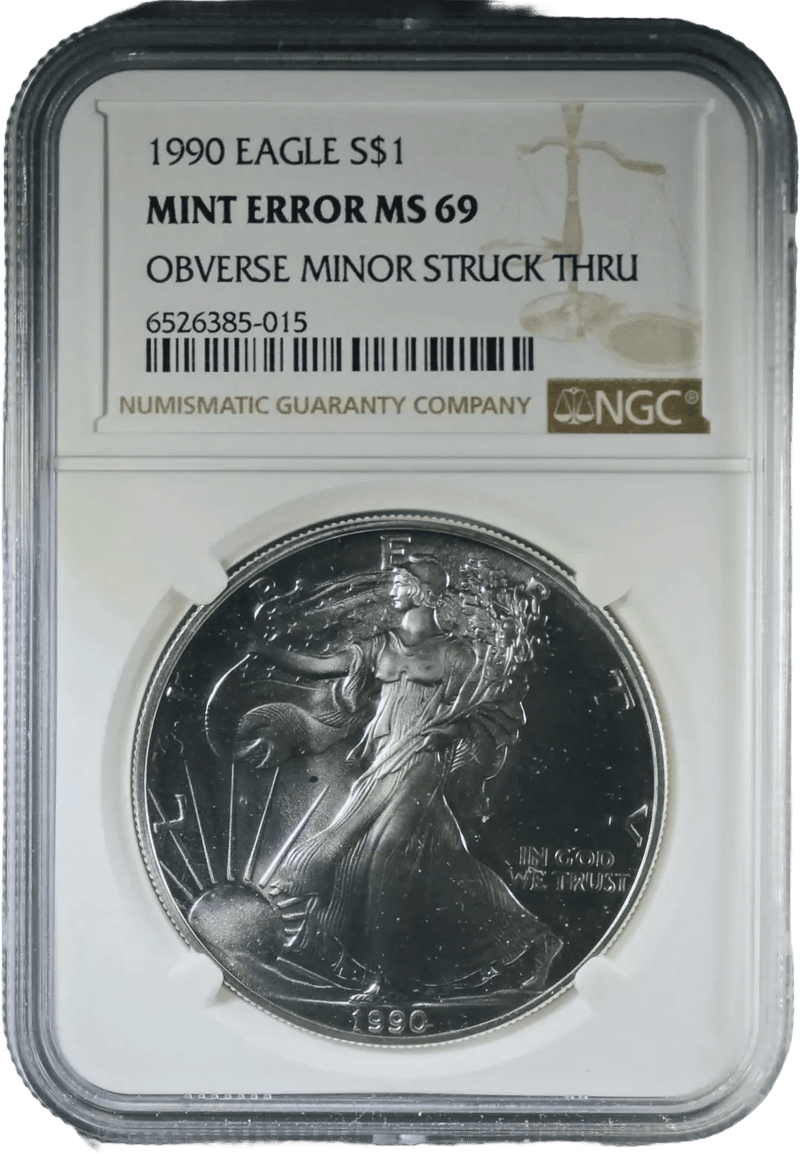
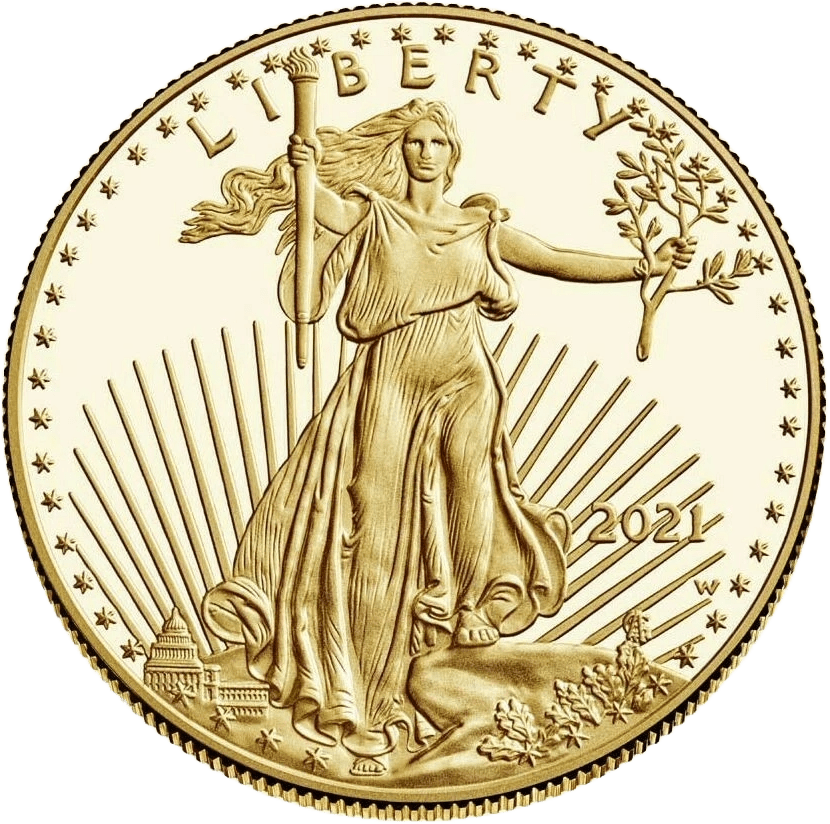
Gold returned to U.S. coinage decades later in a new form. In 1986, the U.S. Mint introduced the American Gold Eagle, marking the beginning of modern U.S. gold bullion coins.
American Gold Eagle
-
Made of 22-karat gold
-
Available in 1 oz, 1/2 oz, 1/4 oz, and 1/10 oz sizes
-
Features classic American designs, including Lady Liberty and the bald eagle
-
Backed by the U.S. government for weight and purity
Although they carry face values, American Gold Eagles are not meant for spending. Their value is tied to gold prices and collector demand.
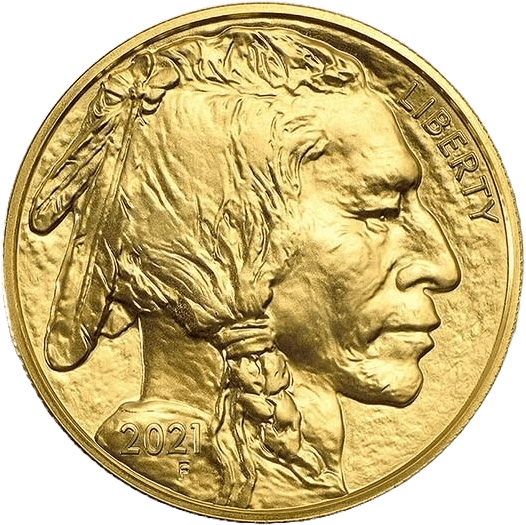
American Gold Buffalo
Introduced in 2006, the American Gold Buffalo is the first U.S. gold coin struck in .9999 fine gold. It features the iconic Buffalo Nickel design and is especially popular with investors seeking pure gold.
Why American Gold Dollars Are Valuable Today
American gold dollars—both historic and modern—are valued for several key reasons:
-
Precious metal content
-
Government-backed purity and weight
-
Historical significance
-
Strong global demand
-
Long-term store of value
Collectors often seek early gold dollars for their rarity and craftsmanship, while investors favor modern gold coins for wealth preservation.
The Legacy of American Gold Dollars
From Gold Rush–era coins to modern bullion issues, American gold dollars reflect the nation’s evolving relationship with gold. They remain symbols of prosperity, trust, and enduring value—making them an essential part of U.S. numismatic history.
Interested in owning American gold coins?
Explore our selection of American gold dollars or contact us today to learn more about collecting and investing in U.S. gold.