Article: The History of U.S. Silver Dollars
The History of U.S. Silver Dollars
U.S. silver dollars hold a special place in American history. More than just money, these coins reflect the nation’s growth, economic changes, and artistic achievements. From the first silver dollars struck in the 18th century to modern bullion coins, silver dollars remain popular with collectors and investors alike.
The Beginning of the U.S. Silver Dollar (1794–1804)
The foundation of the U.S. silver dollar was laid with the Coinage Act of 1792, which established the U.S. Mint and defined the dollar as the nation’s standard unit of currency.
The first silver dollars, known as the Flowing Hair Dollar, were minted in 1794 and 1795. These coins featured a youthful Liberty symbolizing freedom and a newly formed nation. They were followed by the Draped Bust Dollar, produced from 1795 to 1804.
Although dated 1804, many of the famous “1804 Silver Dollars” were actually struck years later as diplomatic gifts, making them some of the rarest and most valuable U.S. coins ever produced.
A Long Pause in Production (1805–1872)
After 1804, silver dollar production largely stopped. Foreign silver coins, especially Spanish dollars, were still widely used in everyday commerce, reducing the need for U.S.-minted silver dollars.
For decades, silver dollars were rarely seen in circulation. That changed dramatically with the discovery of large silver deposits in the American West, especially Nevada’s Comstock Lode, which flooded the market with silver and renewed demand for silver coinage.
The Morgan Silver Dollar Era (1878–1904, 1921)
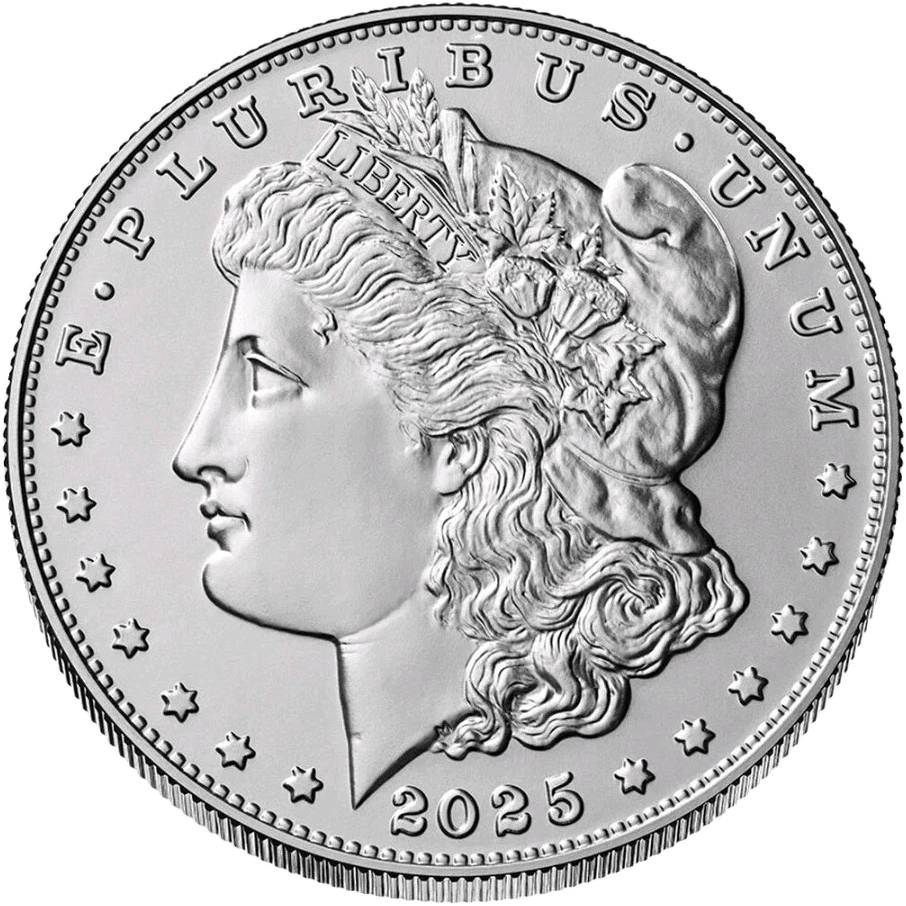
Introduced in 1878, the Morgan Silver Dollar is one of the most iconic coins in U.S. history. Designed by George T. Morgan, it features a strong portrait of Liberty and a powerful eagle, reflecting America’s industrial growth and national pride.
Millions of Morgan dollars were minted due to laws requiring the government to purchase large quantities of silver. Many were stored in Treasury vaults for decades, which is why well-preserved examples still exist today.
Morgan silver dollars remain extremely popular among collectors and are often sought for both their historical value and silver content.
Peace Silver Dollars and the End of an Era (1921–1935)
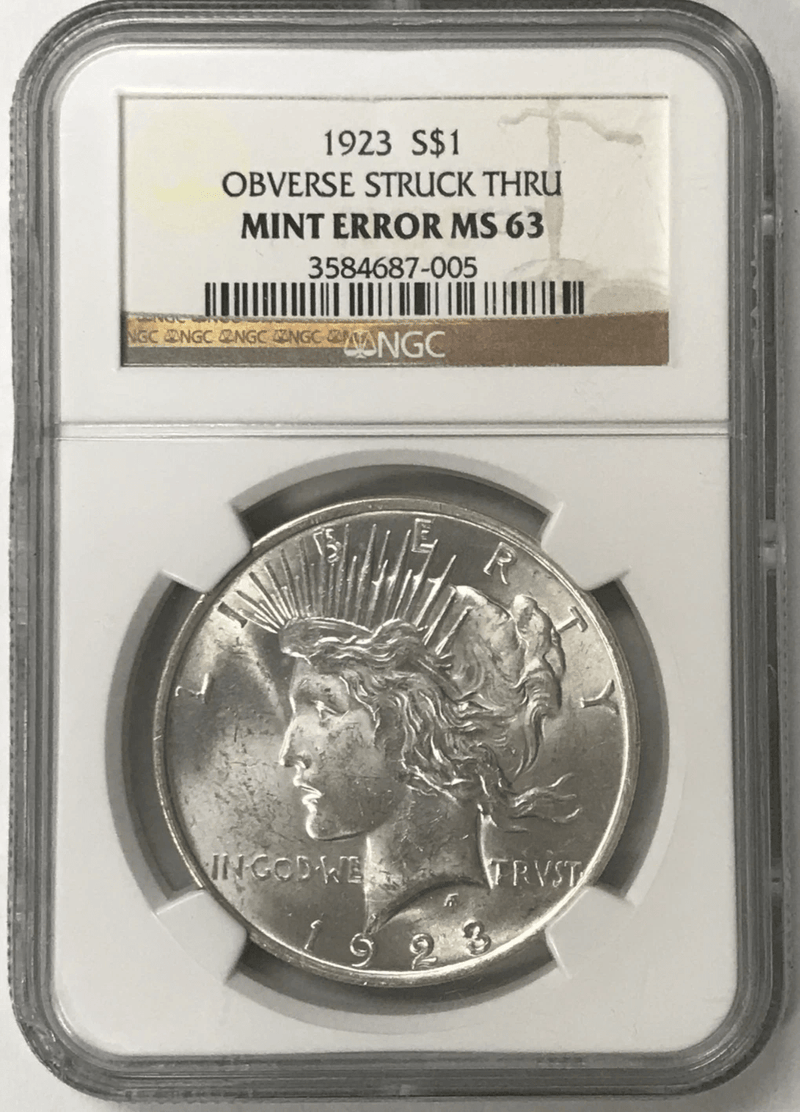
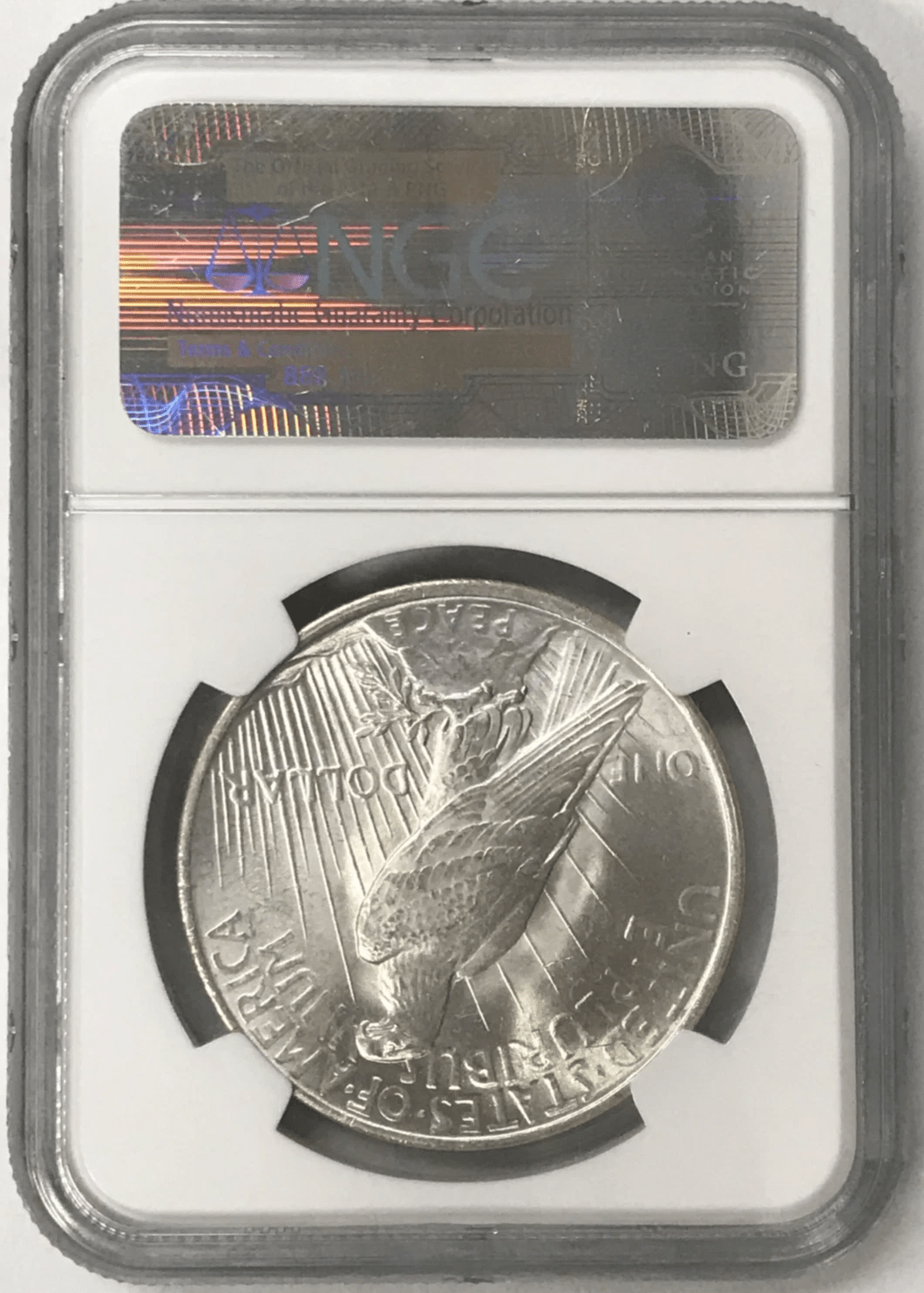
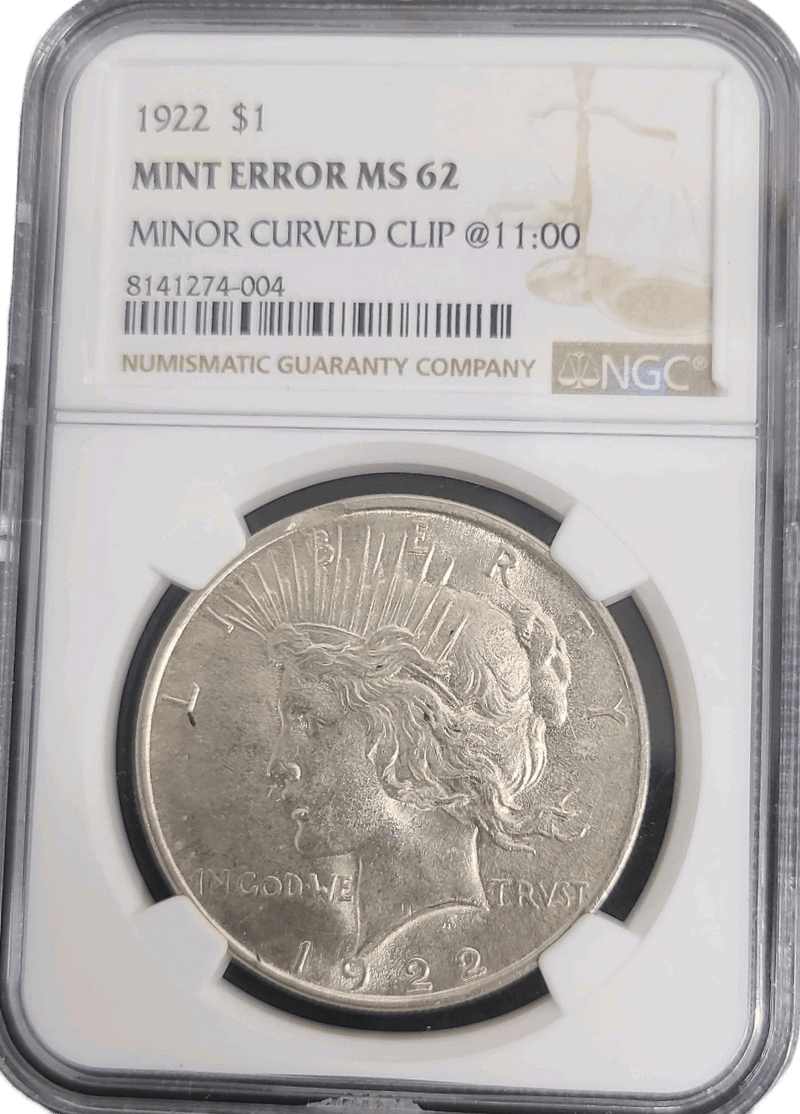
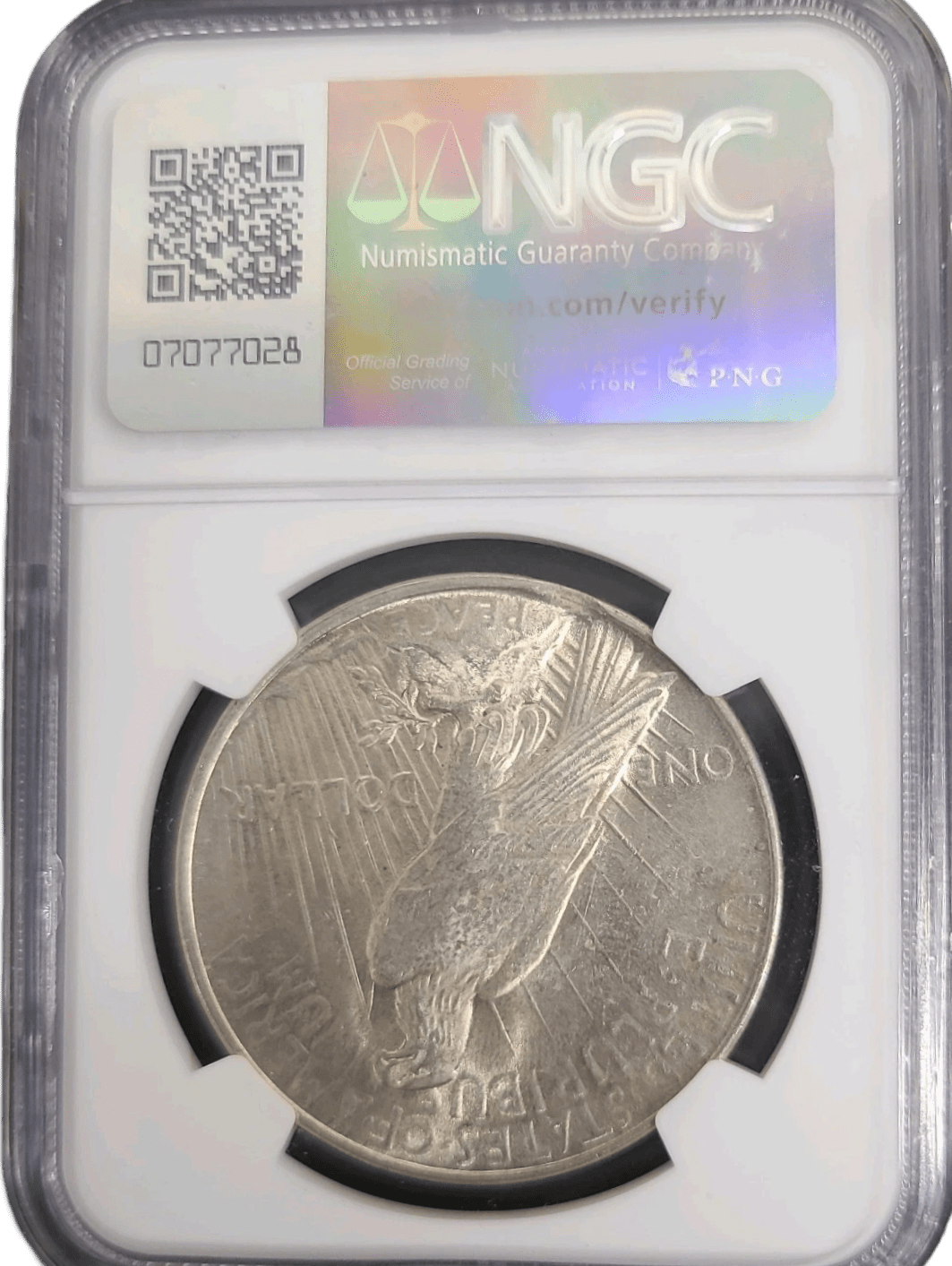
Following World War I, the U.S. Mint introduced the Peace Silver Dollar to symbolize peace and recovery. First struck in 1921, the coin features a more modern design of Liberty and an eagle clutching an olive branch.
Peace dollars marked the final chapter of circulating U.S. silver dollars. By 1935, production ended as silver dollars were no longer widely used in daily transactions.
Modern U.S. Silver Dollars and Bullion Coins (1986–Present)
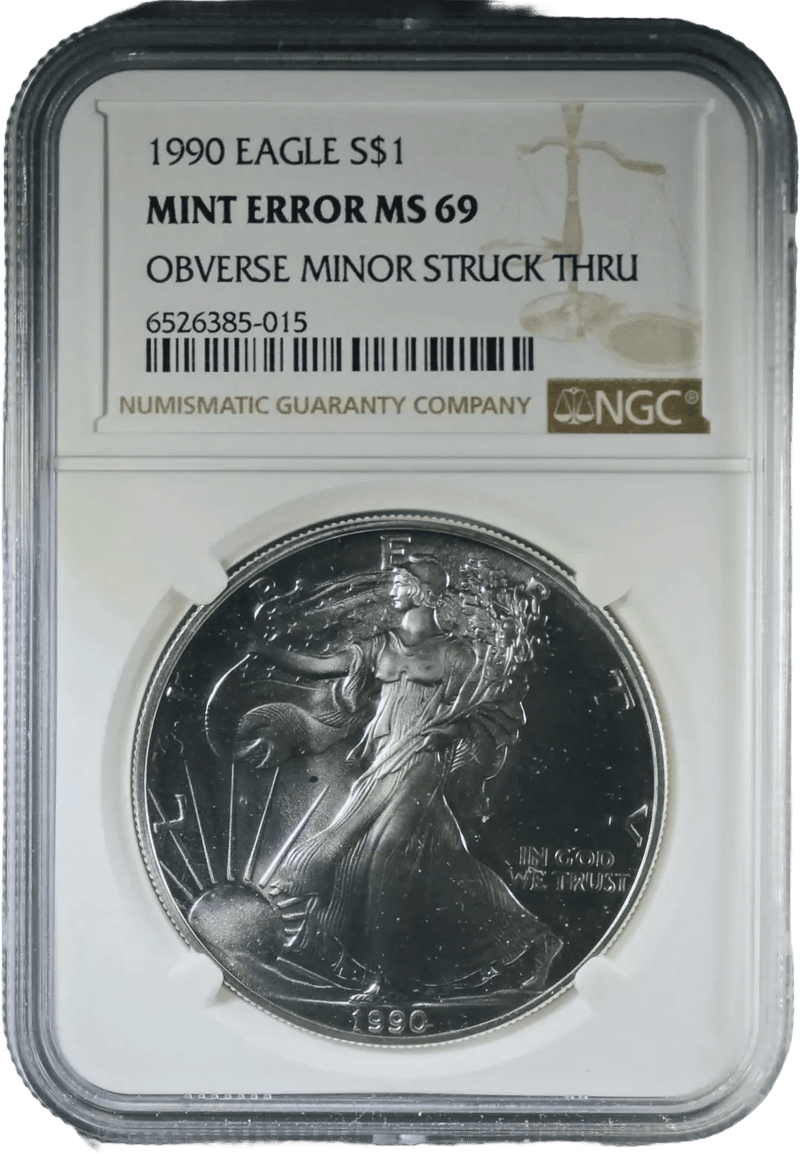
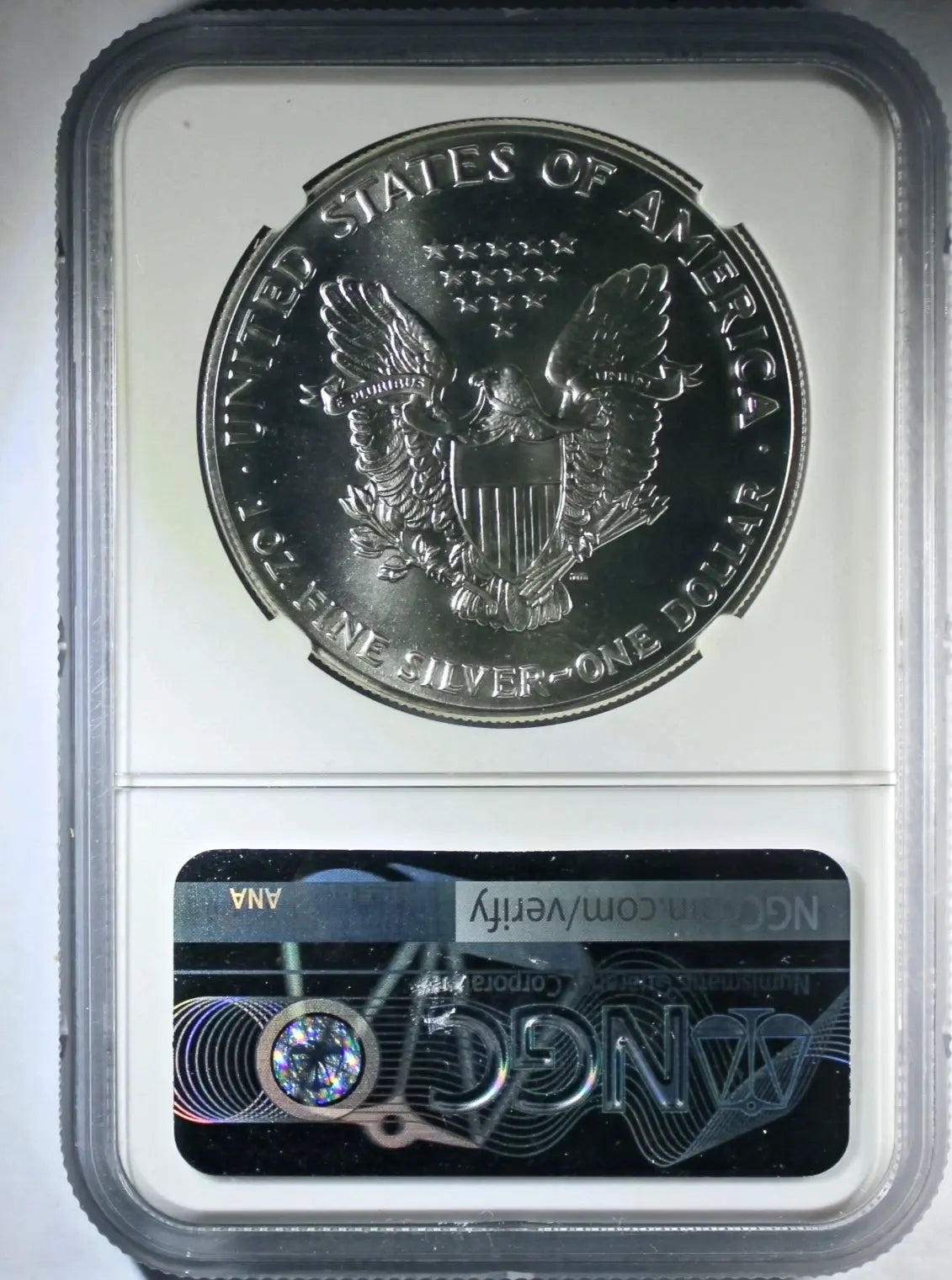
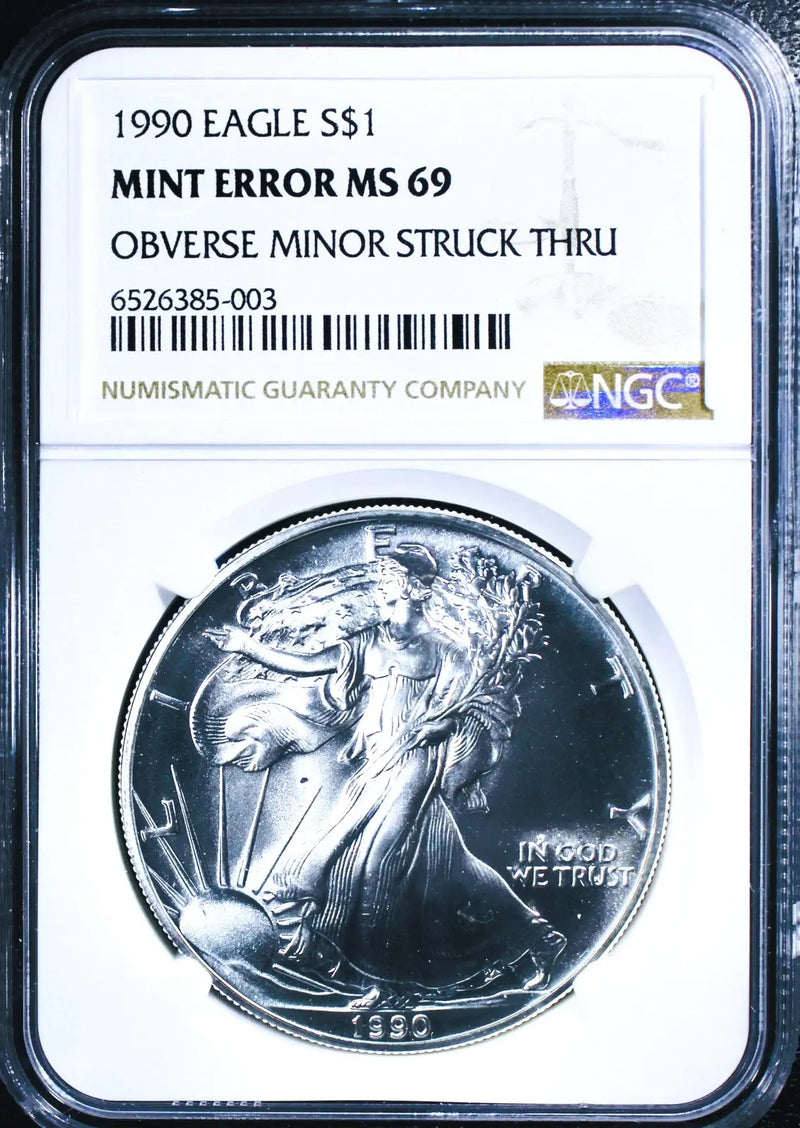
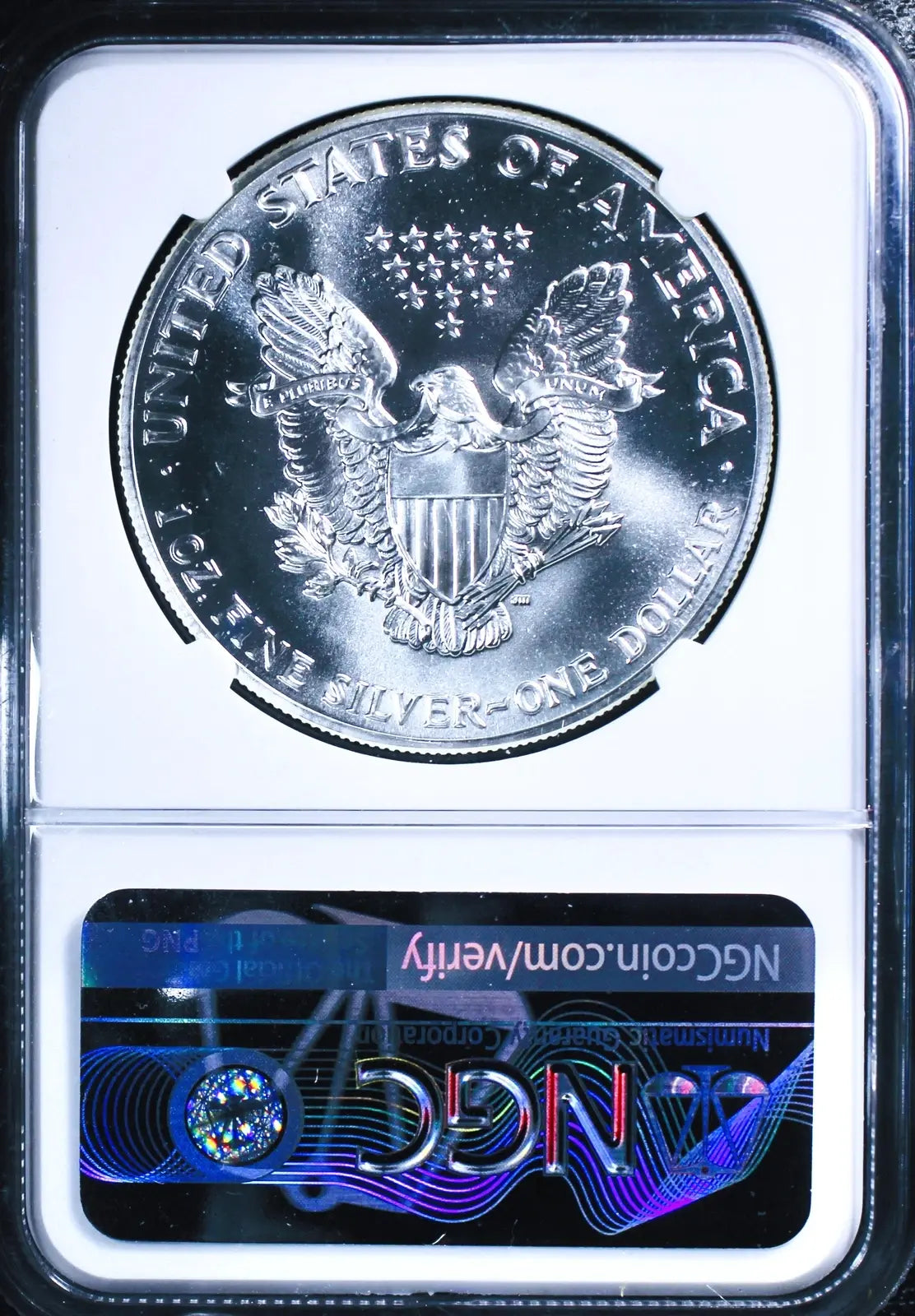
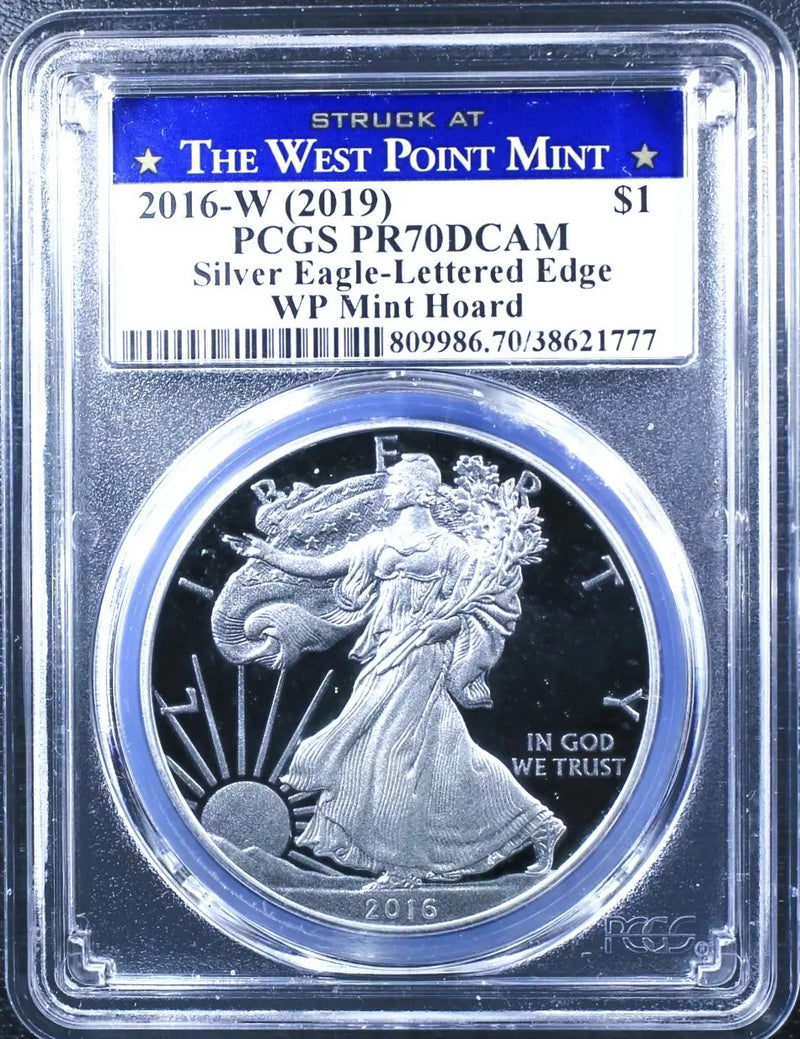
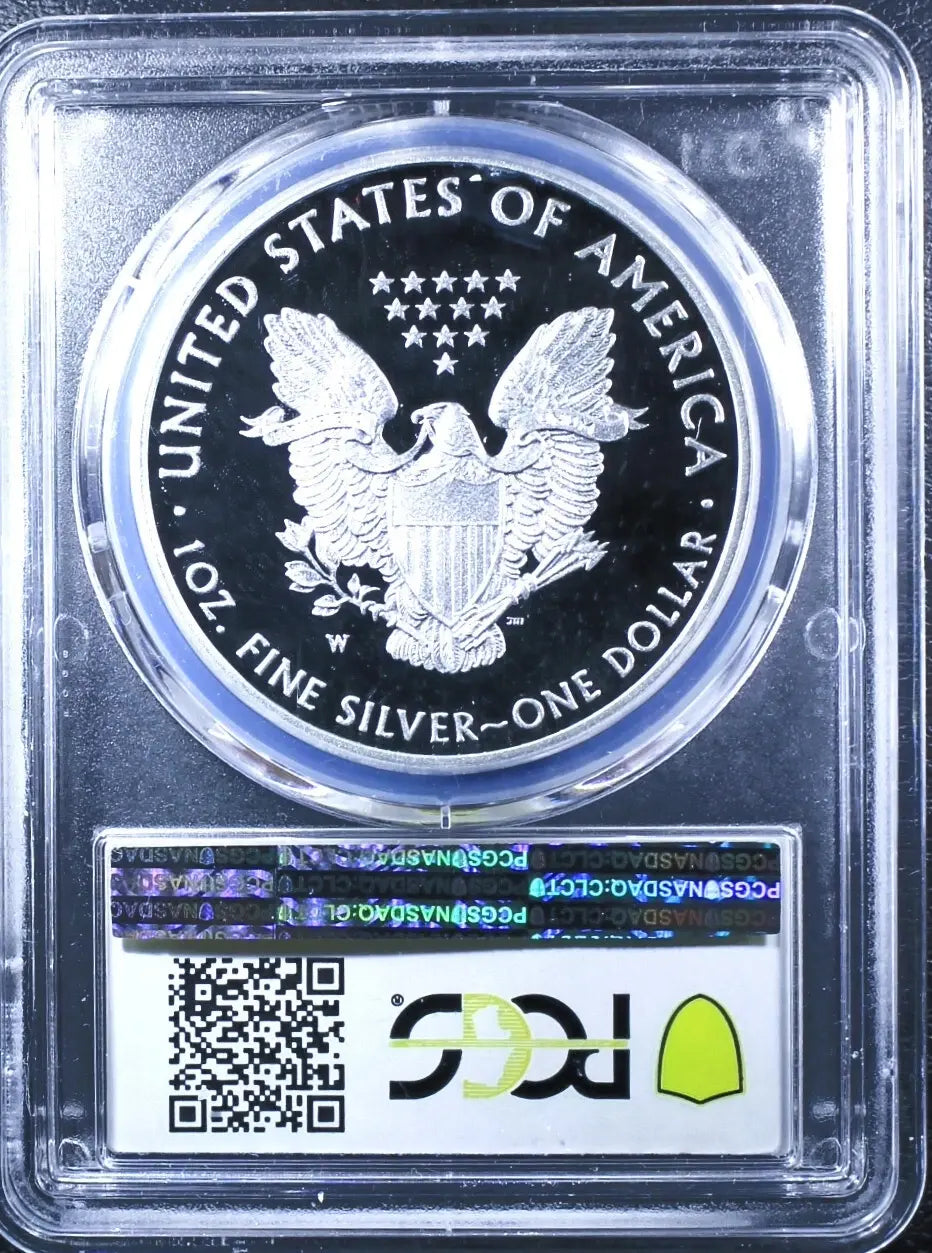
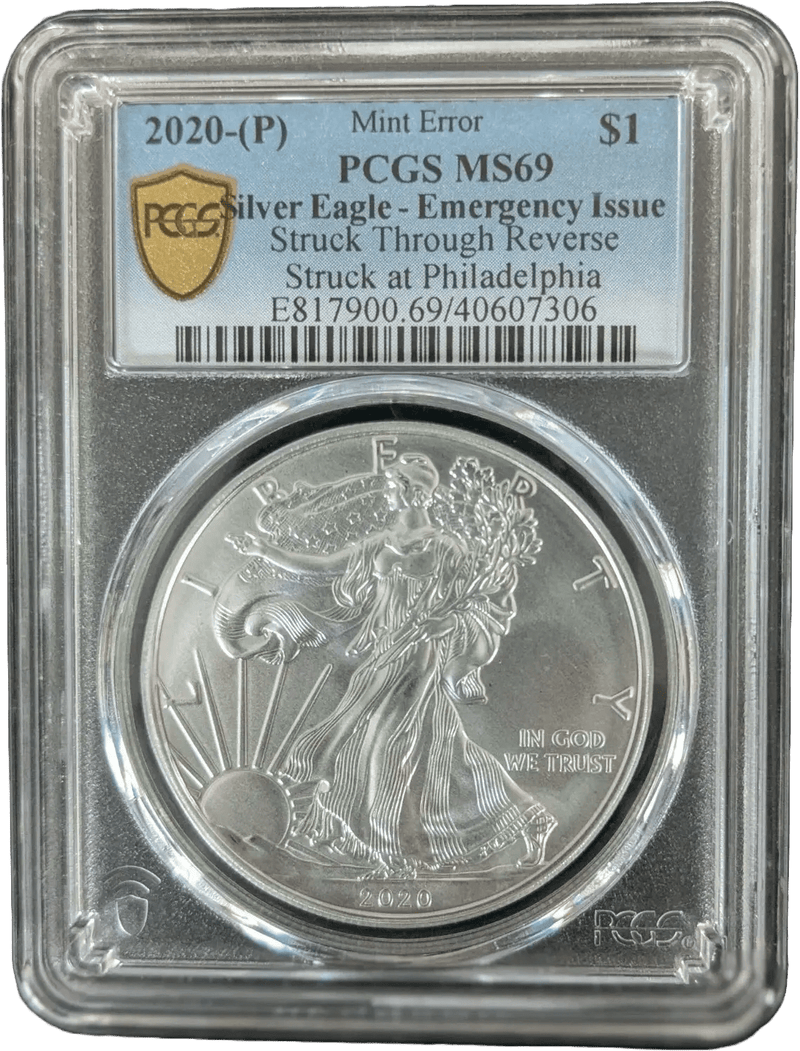
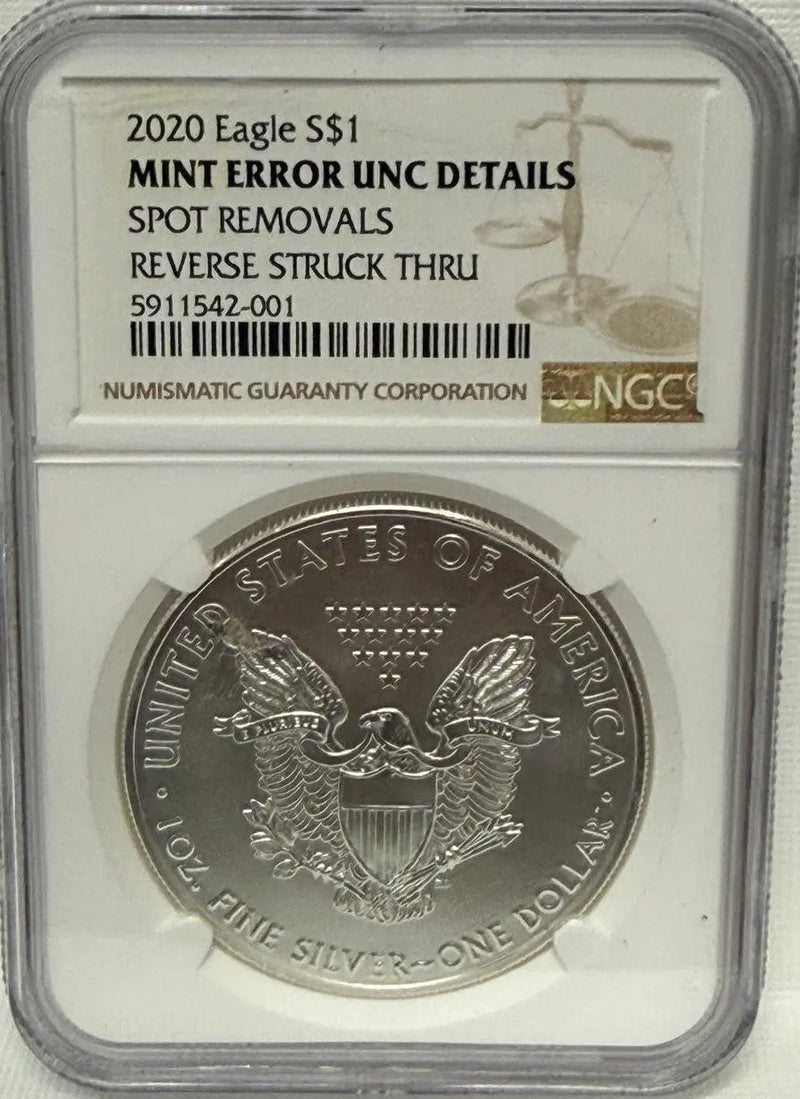
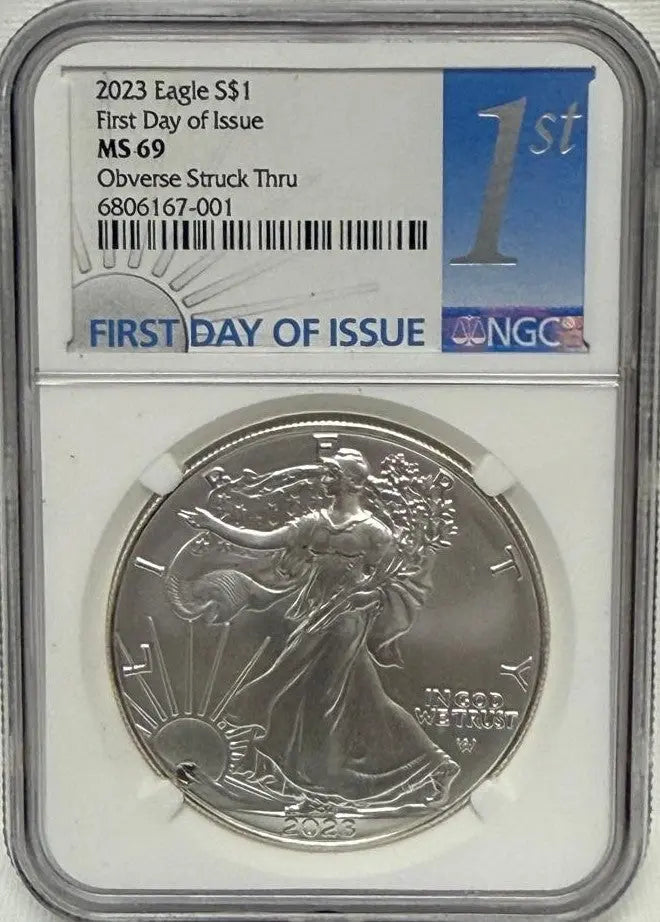
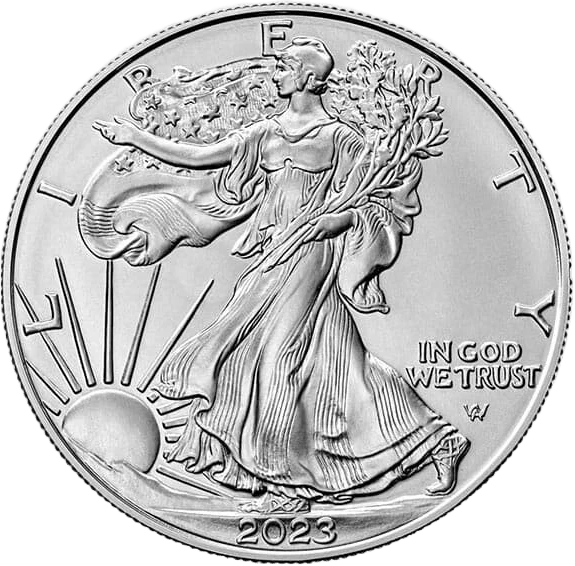
While traditional circulating silver dollars ended, silver coinage continued in a new form. In 1986, the U.S. Mint launched the American Silver Eagle, a bullion coin containing one troy ounce of .999 fine silver.
American Silver Eagles are not intended for everyday spending but are highly popular with investors and collectors worldwide. Today, U.S. silver dollars live on through bullion coins, commemorative issues, and special collector releases.
Why U.S. Silver Dollars Are Still Valuable Today
U.S. silver dollars are prized for several reasons:
-
Historical significance
-
Precious metal value
-
Artistic design
-
Collectibility and rarity
Whether you’re a beginner learning about coins, a collector building a set, or an investor holding physical silver, U.S. silver dollars continue to represent a tangible connection to America’s past.
Interested in owning a piece of U.S. history?
Explore our selection of U.S. silver dollars or contact us today to learn more about collecting and investing in silver coins.